President Trump launched a surprise military operation in Venezuela, leading to the capture of President Nicolás Maduro — a bold move that marks the most direct U.S. intervention in Latin America in decades and signals the return of Monroe Doctrine-style influence.
Meanwhile, Asian stock markets surged to record highs, driven by gains in semiconductor and memory chip sectors across Japan, Taiwan, and South Korea. Oil prices fell, while gold climbed amid rising geopolitical tensions.
In this week’s WEFC analysis, we examine how the Venezuela operation is reshaping global markets and share key insights from our 2026 Outlook Series to help you stay ahead of this year’s major investment trends.
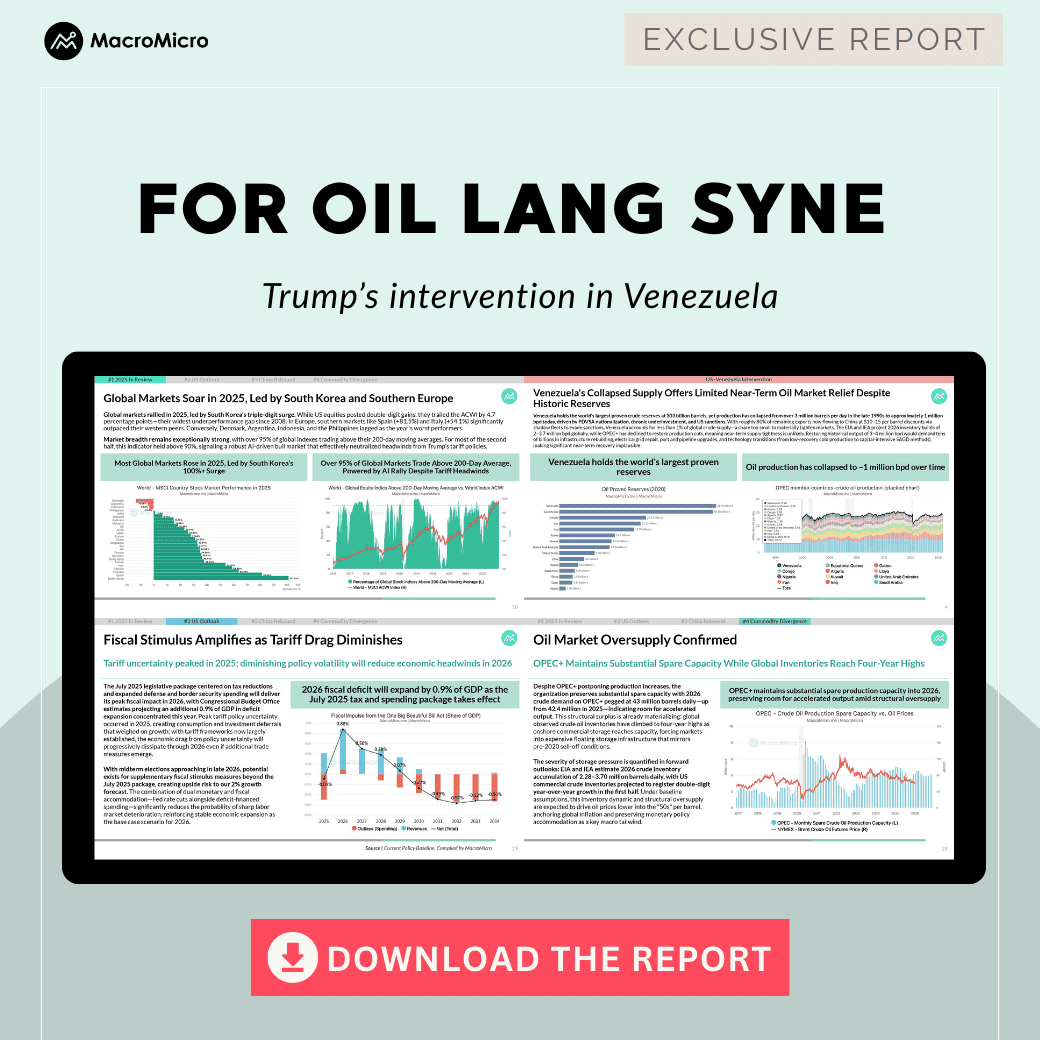
2025 Retrospective: A Year of AI Dominance and Dollar Retreat
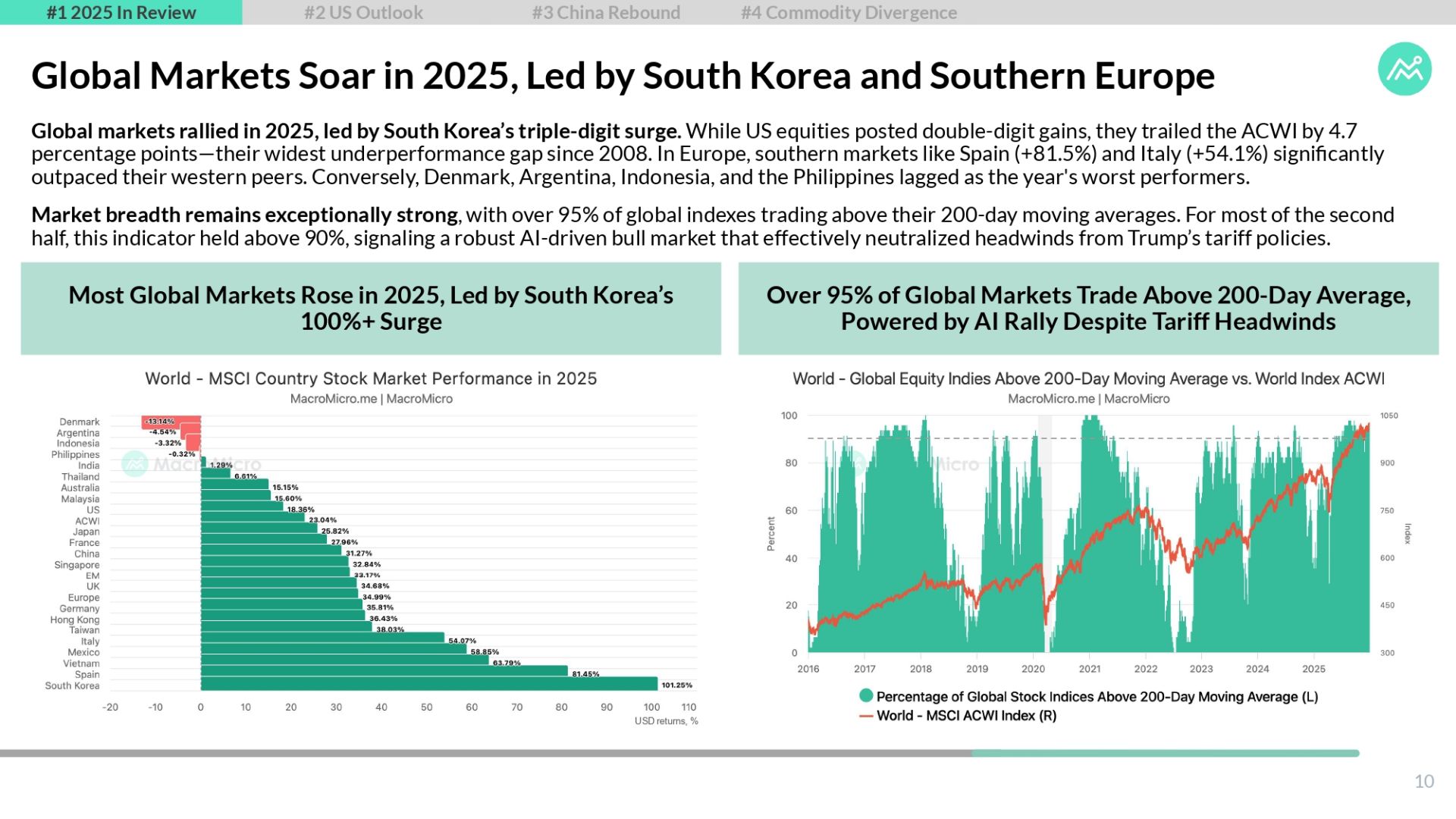
In 2025, global markets surged, led by a triple-digit rally in South Korea and strong gains in Southern Europe. Over 95% of global indexes traded above their 200-day moving averages, signaling a robust AI-driven bull market that effectively neutralized tariff concerns. The S&P 500 rose 17.8%, powered by tech mega-caps which now generate nearly 40% of index profits. However, the U.S. Dollar suffered its steepest drop since 2017, falling over 9%. While precious metals hit record highs, the cryptocurrency market remained bearish. Overall, 2025 was defined by extreme market concentration and a significant rotation away from the greenback into global equities.
US 2026 Outlook: Resilience Through Productivity and Policy
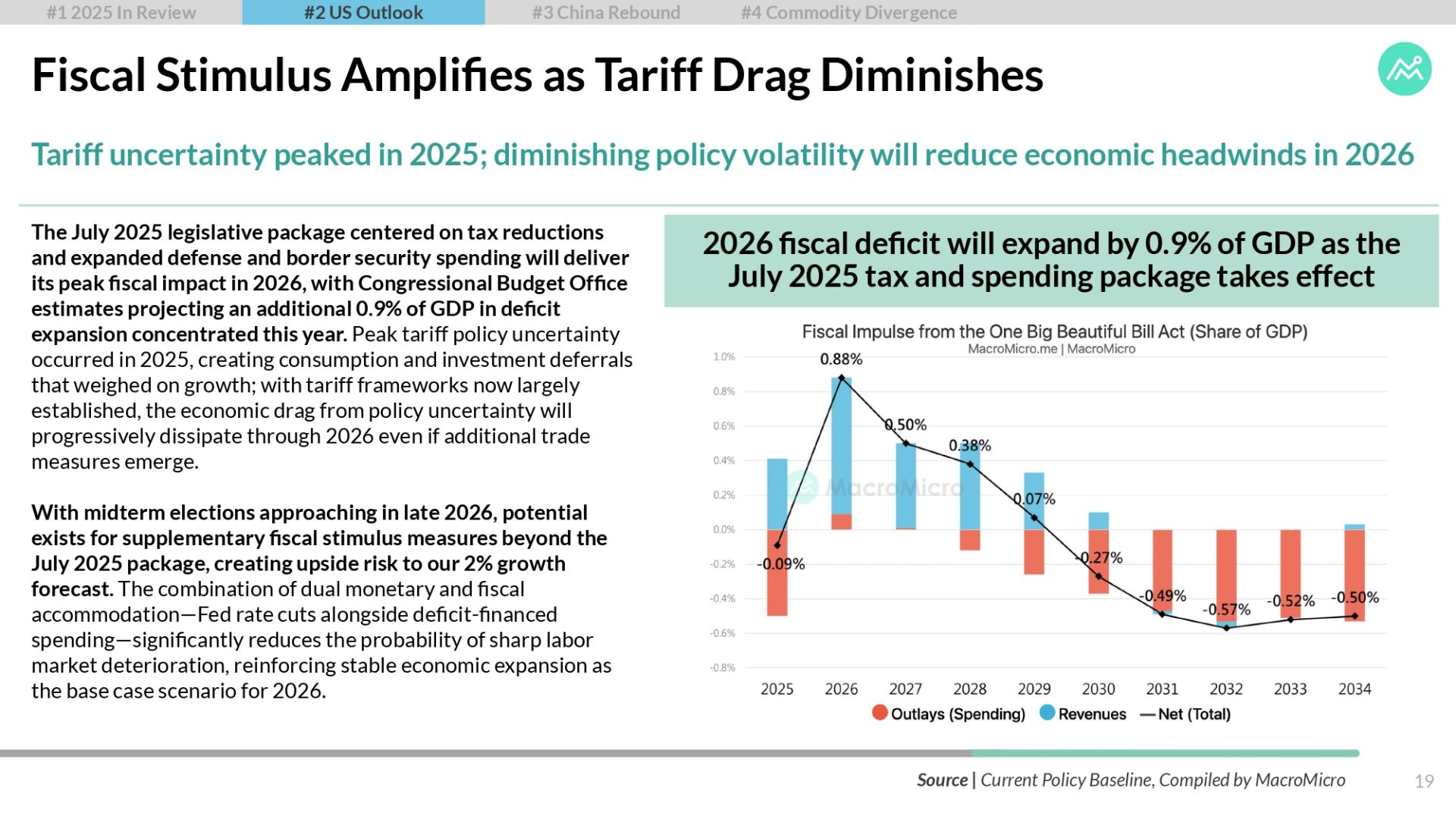
For 2026, the U.S. economy is projected to grow by 2%, supported by a stable "three-low" labor market equilibrium—low hiring, low layoffs, and low labor growth. This productivity-led environment, bolstered by AI, ensures that unemployment remains manageable despite tighter immigration. Inflation is expected to continue its cooling trend, potentially prompting Federal Reserve rate cuts in the first half of the year. Furthermore, the fiscal impact of the "Great and Beautiful Act" will peak in 2026, providing a significant 0.9% GDP boost through tax cuts and defense spending, creating a favorable backdrop for continued U.S. equity performance despite lingering 2025 tariff pressures.
China 2026 Outlook: Tech-Led Recovery Amidst Structural Shifts
China’s economic outlook for 2026 has brightened, with GDP growth targets revised upward to 4.4% following strategic policy shifts. The government’s focus on "new quality productive forces" and AI development has become a primary growth engine. While "anti-involution" policies initially pressured investment, they helped stabilize prices and improve corporate profit expectations. Despite trade tensions, China has shown resilience through export diversification and mineral control. However, the market remains cautious about domestic consumption, which has yet to show a structural turnaround. Investors are closely monitoring M1 growth and corporate liquidity as indicators of sustained recovery and a potential shift from a neutral to bullish market sentiment.
Commodities Outlook: Precious Metals Shine While Crude Struggles
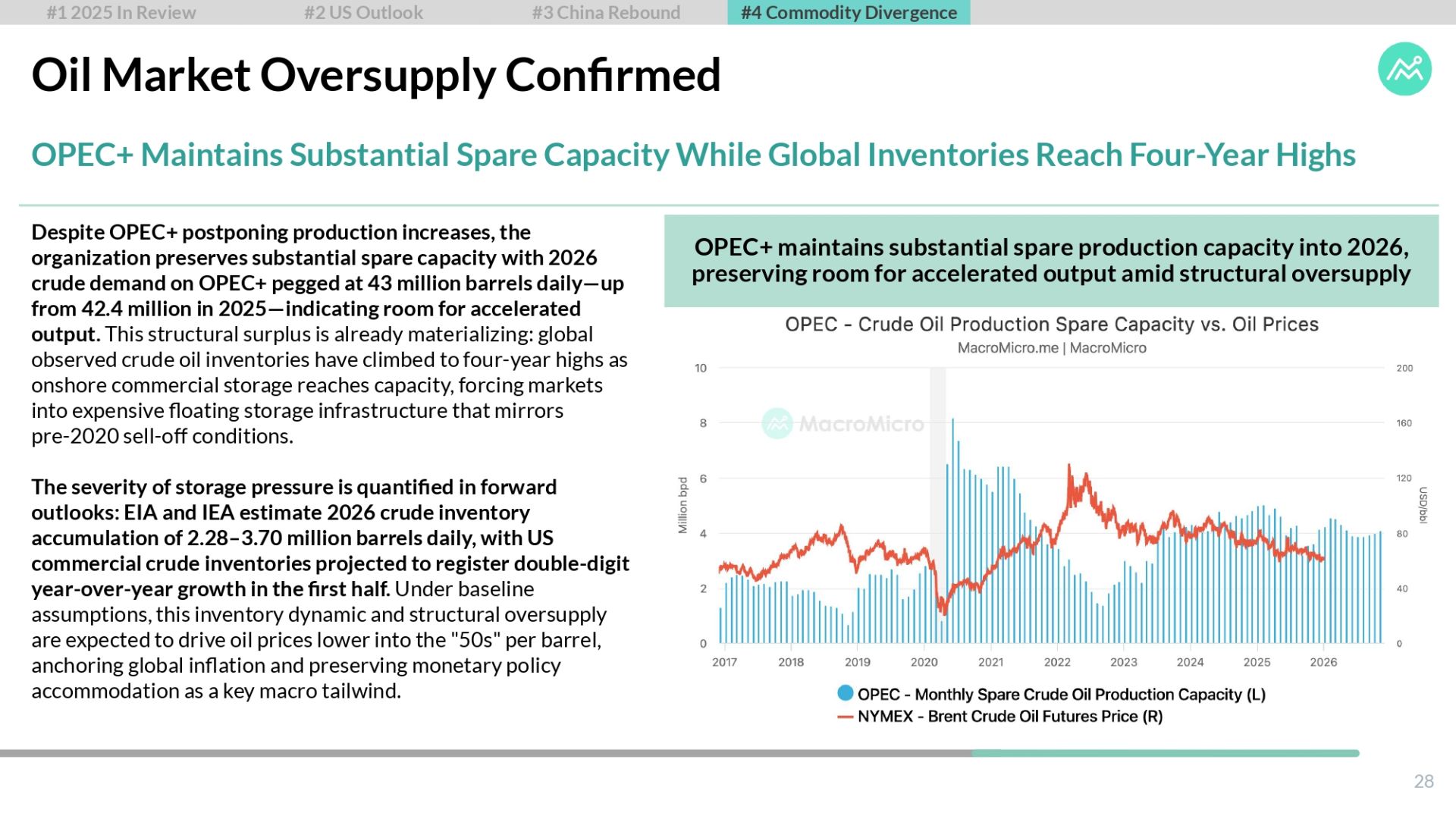
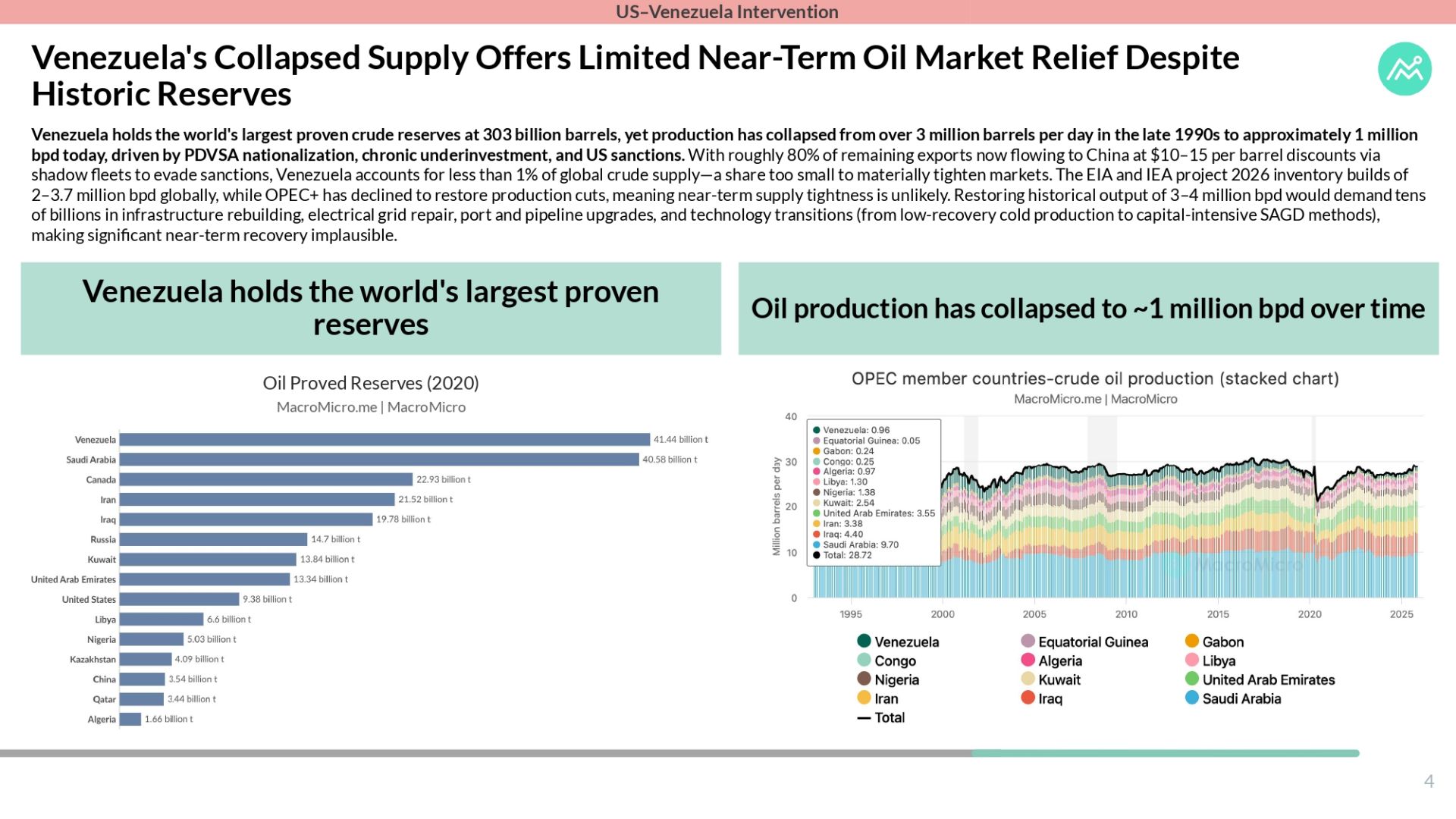
The 2026 outlook for commodities reveals a sharp divergence between metals and energy. Precious metals like gold and silver are expected to maintain their bullish momentum, driven by "de-dollarization" and strategic central bank purchases. Silver, in particular, benefits from a structural deficit and rising industrial demand from the AI and EV sectors. In contrast, crude oil faces persistent downward pressure due to a massive supply glut. Explosive production growth in South America and ample OPEC+ spare capacity are expected to push prices into the $50 range. This weakness in energy helps keep global inflation stable, supporting a continued environment of global monetary easing and liquidity.
Trump's Strike on Venezuela Is About More Than Drugs or Dictators
On 3 January 2026, the U.S. launched "Operation Absolute Resolve," leading to the arrest of President Maduro and a temporary administrative takeover. This move signifies the return of the Monroe Doctrine to counter the influence of China, Russia, and Iran in Latin America. While significant for regional stability, the immediate impact on oil prices is limited because Venezuela’s production remains low due to years of decay. Rebuilding its oil industry to former levels will require decades of investment. However, this aggressive unilateral action may accelerate global de-dollarization trends as nations seek to move reserves into non-sovereign assets like gold to avoid potential financial weaponization.
About Weekly Economic and Financial Commentary (WEFC)
The MacroMicro WEFC cuts through the noise, delivering rigorous analysis and in-depth insights on the most critical market-moving events. These topics cover equities, foreign exchange, bonds, commodities, global central banks, international political economy, and more.
At the core of WEFC is a concise Chart Pack, enabling you to grasp market trends at a glance.
Already a subscriber? Click here to log in.
Full Access to Our Services

Comprehensive data at your service
with key indicators for investment insights

Exclusive flash reports
on key events and data

Create your own charts and analysis
including performance backtesting

Hub of professionals to engage
in meaningful discussions and insights
