"You only get one shot, do not miss your chance to blow." Chair Powell invoked similar imagery this week, warning that the Federal Reserve faces "no risk-free path" as it navigates between persistent inflation and labor market softening. Like a certain protagonist standing at a crossroads, the Fed must choose its trajectory with limited room for error—cut too aggressively and inflation reignites; move too cautiously and unemployment accelerates.
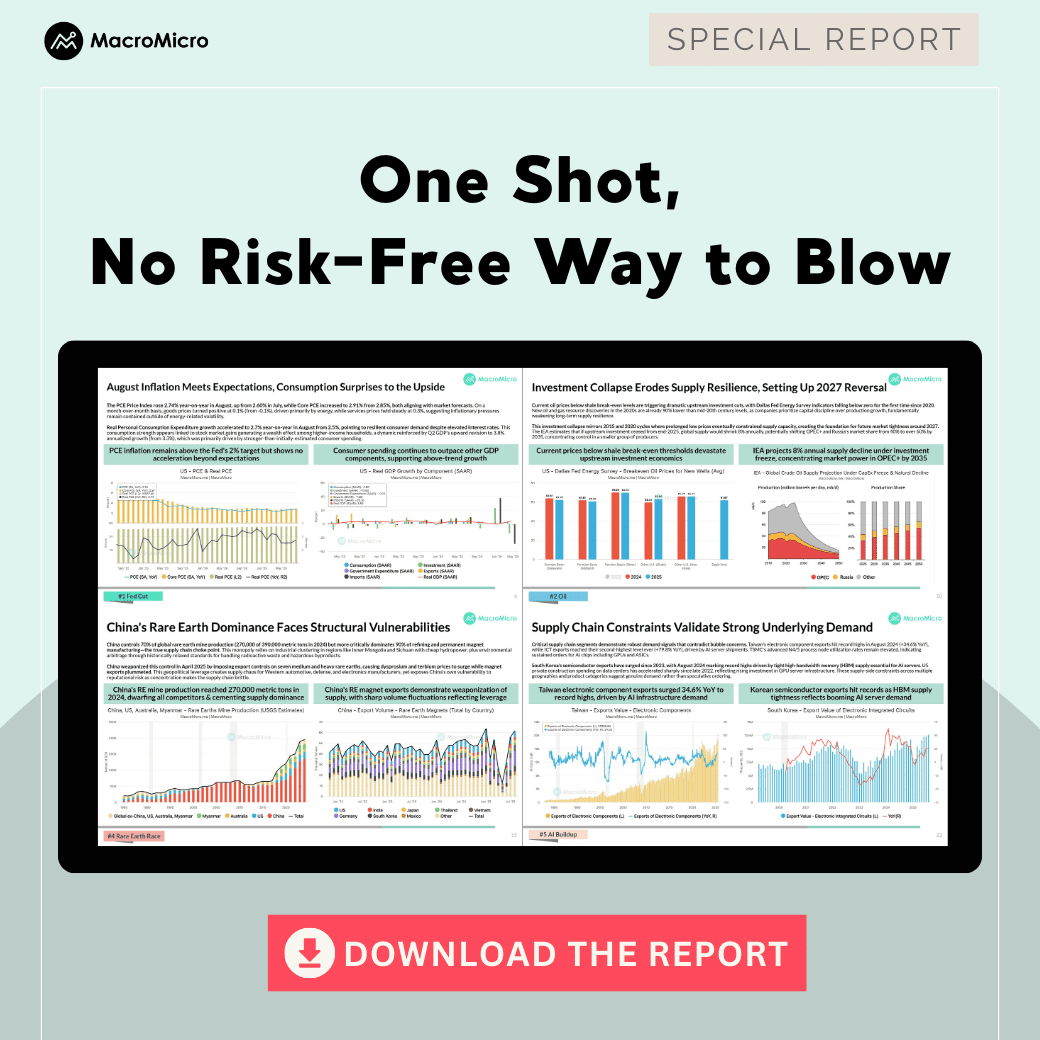
This week's WEFC report examines four critical market dynamics beyond the Fed's balancing act: OPEC+'s supply strategy that's quietly setting up a future crunch, gold's historic rally driven by forces deeper than safe-haven flows, the geopolitical chess game playing out in rare earth supply chains, and compelling evidence that AI investment may finally be transitioning from speculation to reality.
Fed Walks the Tightrope: Inflation Steady, Labor Market in Focus
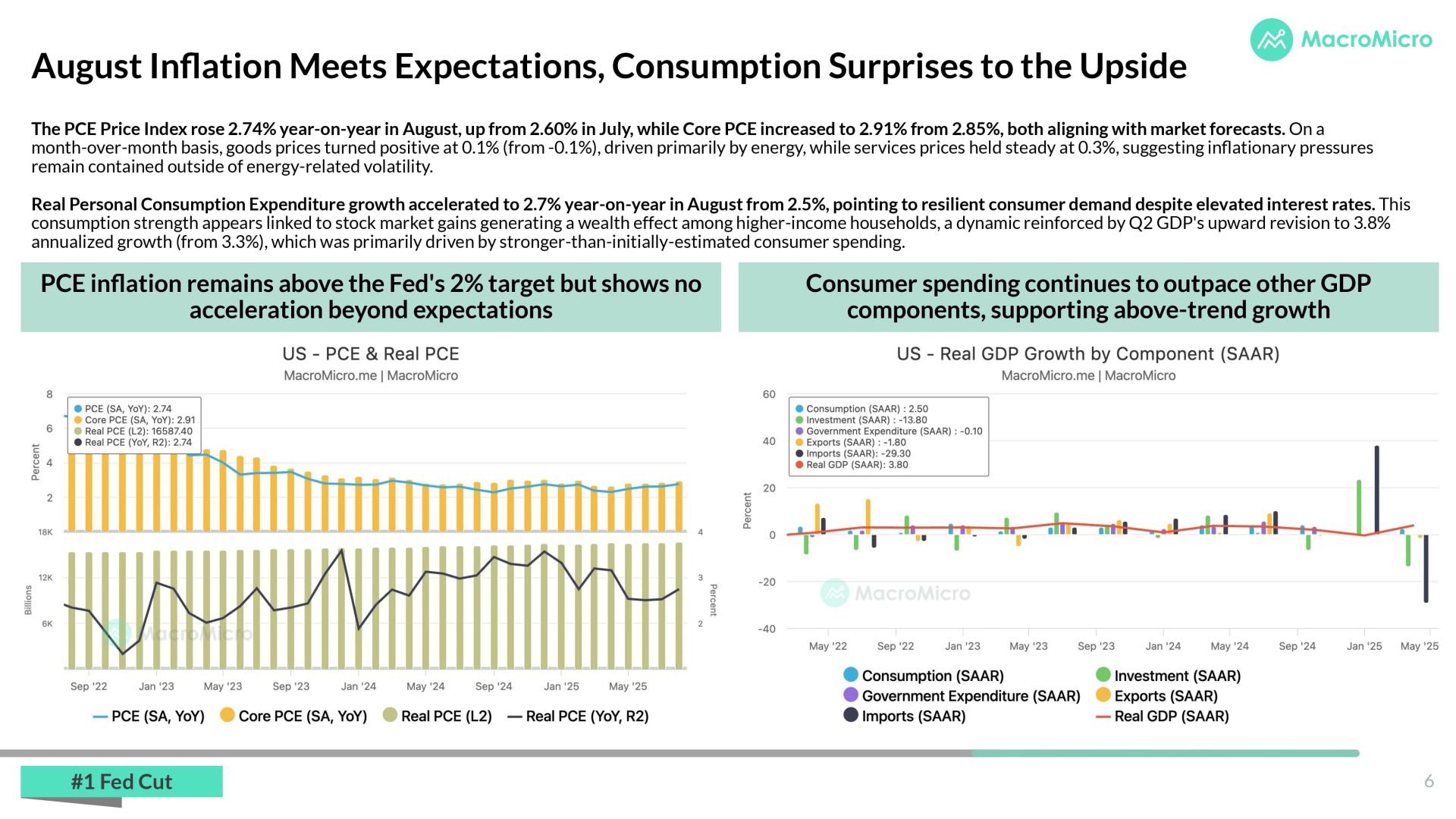
August PCE data came in largely as expected, keeping core inflation elevated while consumer spending surprised to the upside—a combination that has markets tempering expectations for aggressive rate cuts. The Fed delivered a precautionary 25-basis-point cut in September, but several officials have expressed caution about moving too quickly given inflation remains well above target. The upcoming September jobs report serves as the critical input for October's policy decision, with Chair Powell's "no risk-free path" characterization capturing the Fed's dilemma: policy flexibility hinges on confirmation that labor market softening continues without tipping into sharp deterioration.
OPEC+ Supply Glut Sets Stage for 2027 Crunch
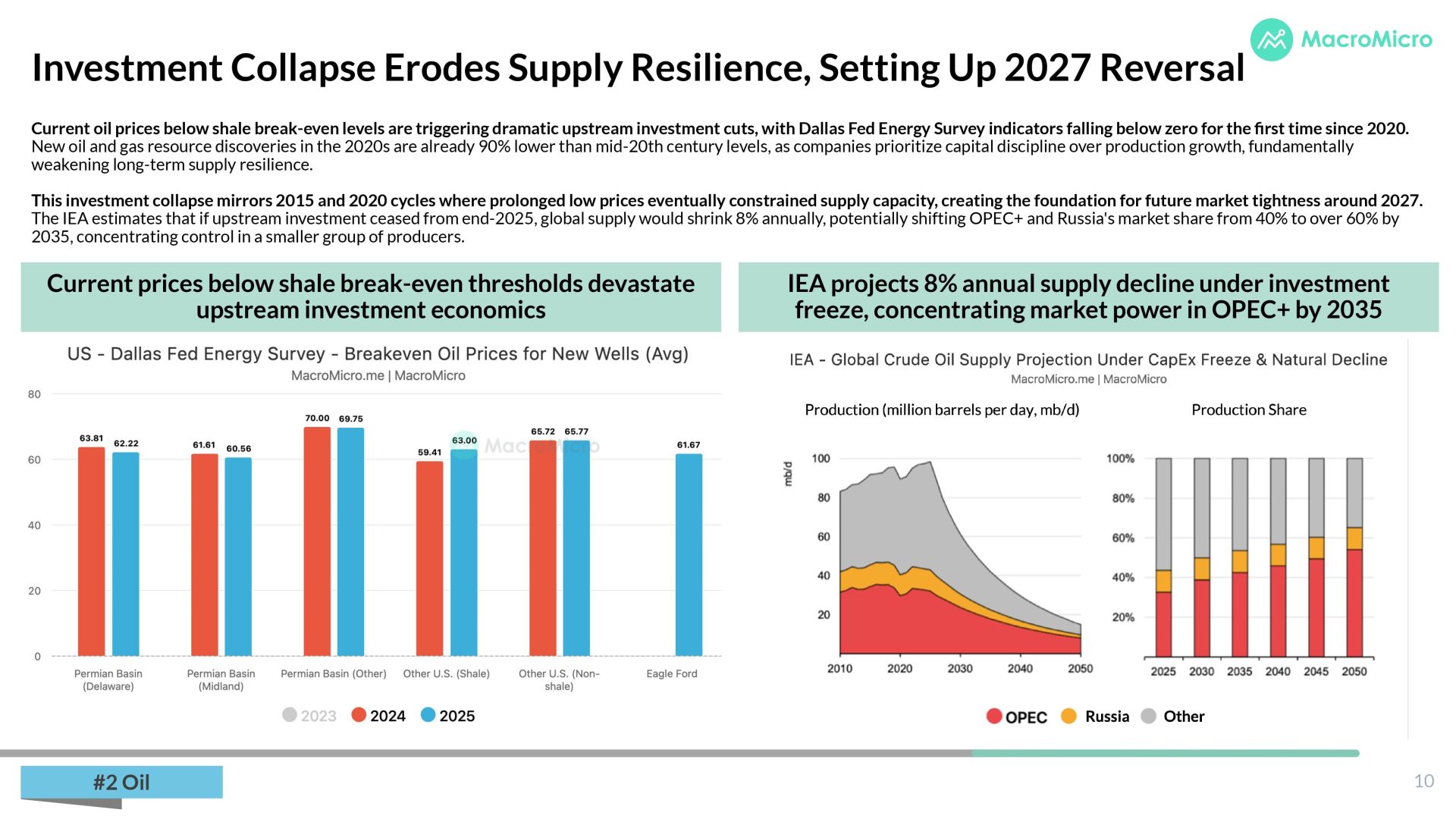
OPEC+ is aggressively unwinding production cuts, flooding the market with supply that's pushing prices below US shale break-even levels and driving global inventories to post-pandemic highs. But here's the paradox: today's glut is creating tomorrow's shortage. Current prices are already triggering dramatic upstream investment cuts—a pattern that mirrors 2015 and 2020 cycles where prolonged low prices eventually constrained supply capacity. The report examines how this investment collapse is setting the foundation for potential market tightness around 2027, with profound implications for OPEC+ market share and geopolitical power dynamics.
Gold's Four-Decade High: Structural and Cyclical Forces Converge
Gold has surged over 40% in 2025, marking its strongest same-period performance since 1980, with silver rallying in parallel to signal broad-based precious metals strength rather than isolated speculation. But this isn't just another safe-haven rally. The report unpacks how cyclical forces—global monetary easing, falling real rates, and record central bank purchases—are converging with structural shifts in reserve architecture. For the first time since 1996, official gold reserves have surpassed foreign US Treasury holdings, while US fiscal dynamics and de-dollarization pressures provide additional long-term support. The key question: which forward indicators signal whether this rally accelerates or stabilizes from here.
Rare Earths: China's Dominance Meets Western Diversification
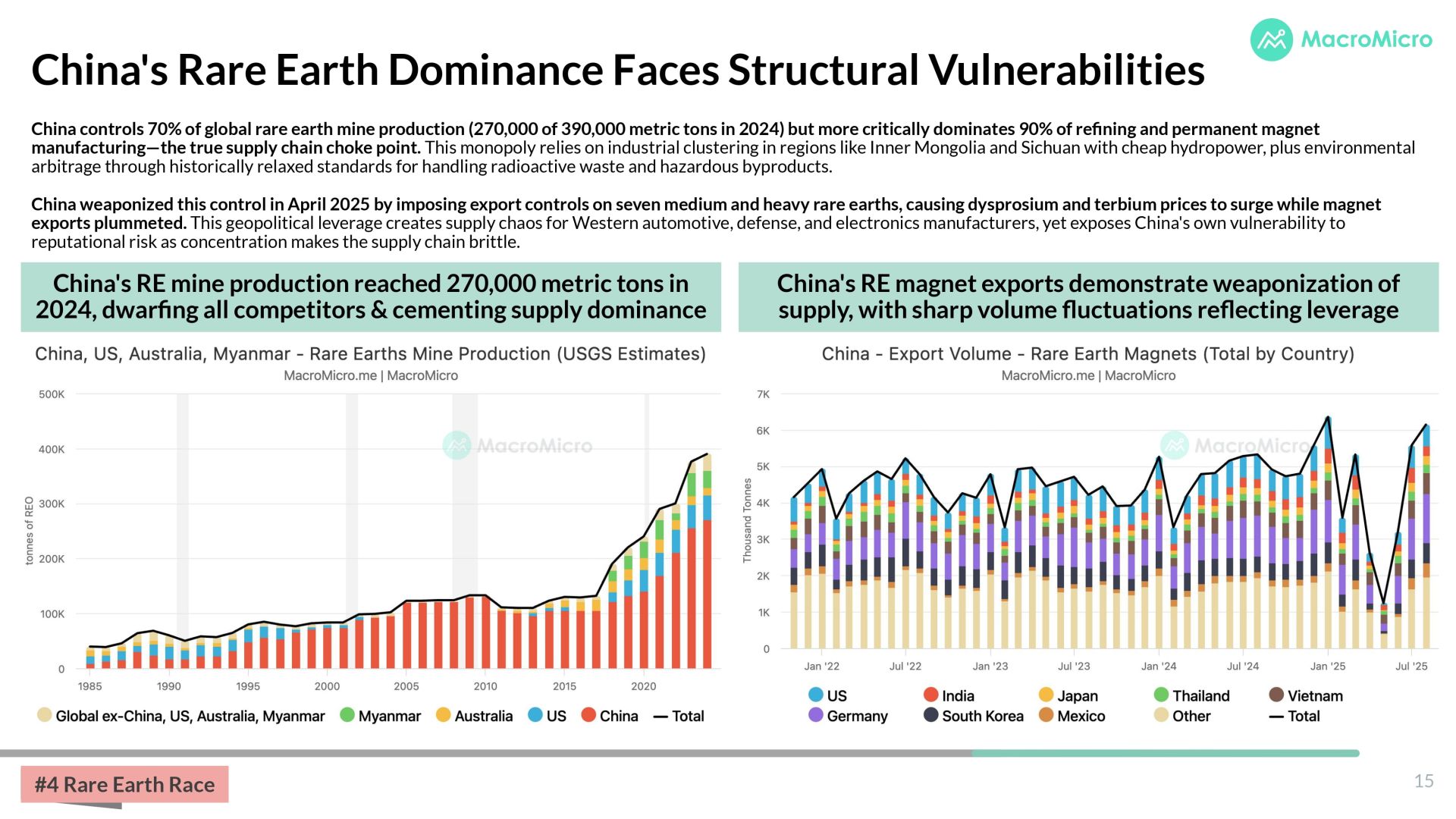
China controls 70% of global rare earth mine production but more critically dominates 90% of refining and permanent magnet manufacturing—the true choke point. When Beijing imposed export controls on seven critical rare earths in April 2025, prices surged and Western supply chains felt immediate pressure. Yet this same concentration exposes China's own vulnerabilities. The report maps out the multi-layered Western response: near-term partnerships with stable allies like Australia, medium-term bets on Brazil and Greenland, and long-term hedges through recycling and material innovation. But a critical question remains unanswered—which of these strategies can actually deliver at scale, and which timelines are realistic versus aspirational.
AI's Inflection Point: From Hype to Hard Evidence
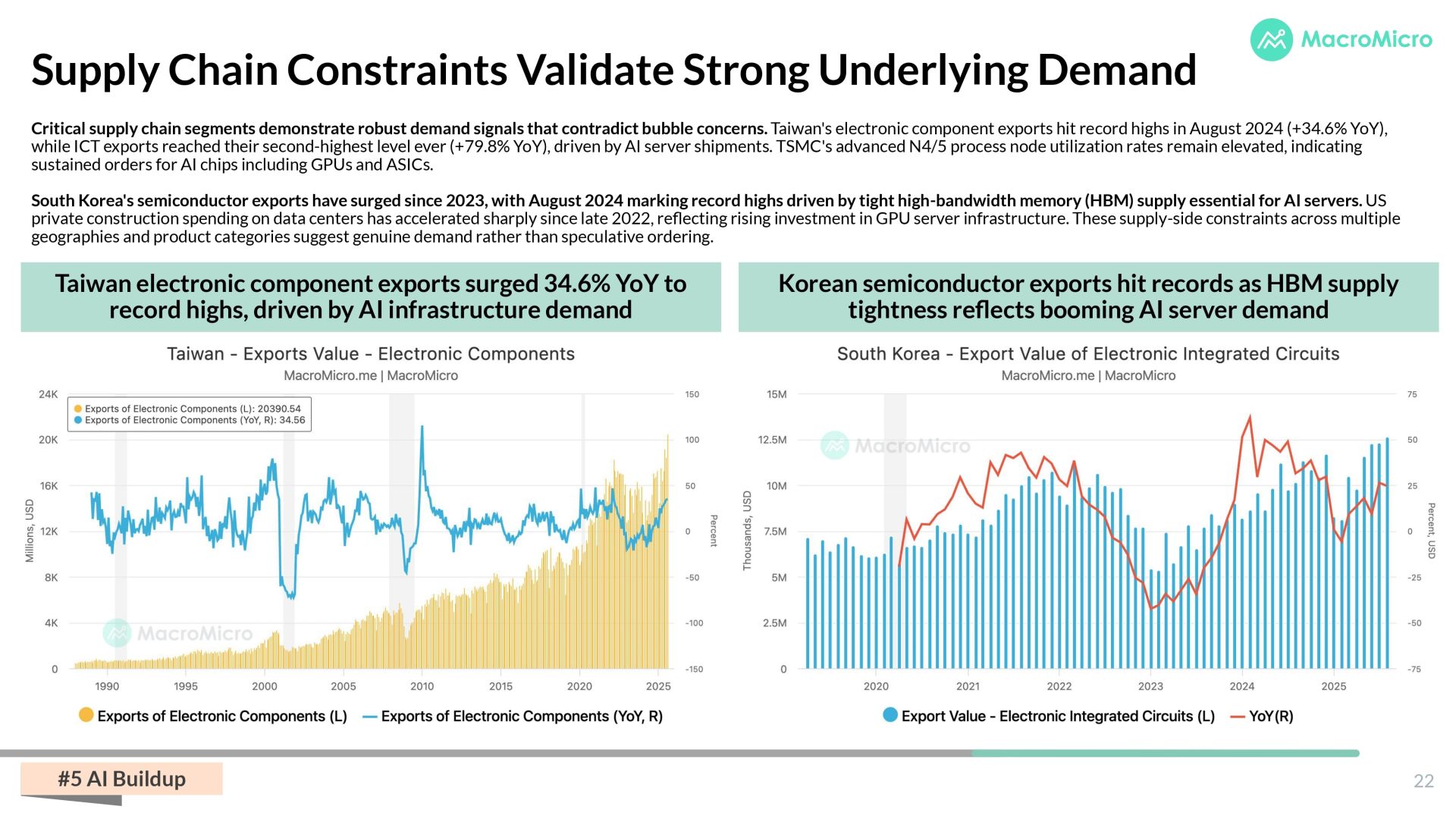
Big Tech's capex-to-revenue ratios have reached unprecedented levels, fueling investor concerns about whether AI represents sustainable growth or an overheated bubble. But adoption velocity tells a different story: US household AI usage hit 50% penetration in just 3 years—a milestone the internet took 12 years to reach. The report examines three critical layers of evidence: consumer adoption outpacing historical technology cycles, supply chain constraints across Taiwan and Korea validating genuine demand, and corporate earnings showing actual revenue materialization from infrastructure through software to edge applications. The analysis identifies specific metrics to monitor that will determine whether AI transitions from infrastructure buildout into broad-based productivity gains that justify current investment levels.
Already a subscriber? Click here to log in.
Full Access to Our Services

Comprehensive data at your service
with key indicators for investment insights

Exclusive flash reports
on key events and data

Create your own charts and analysis
including performance backtesting

Hub of professionals to engage
in meaningful discussions and insights

