Long-end Treasury yields remained under pressure last week as fiscal supply, geopolitical risk and elevated term premiums outweighed softer labor data and contained inflation expectations. The S&P 500 fell 1.43%, while the Philadelphia Semiconductor Index dropped 5.45% ahead of Nvidia’s earnings. Meanwhile, the Treasury Department expanded its long-dated buyback program as the 30-year yield reached a 19-year high, highlighting the growing importance of term premium and liquidity conditions for the long end.
See this week’s WEFC analysis for details.
This Week's WEFC Preview

1. Teeing Up for the Hole: Long-End Yields Become the Fed’s Next Constraint
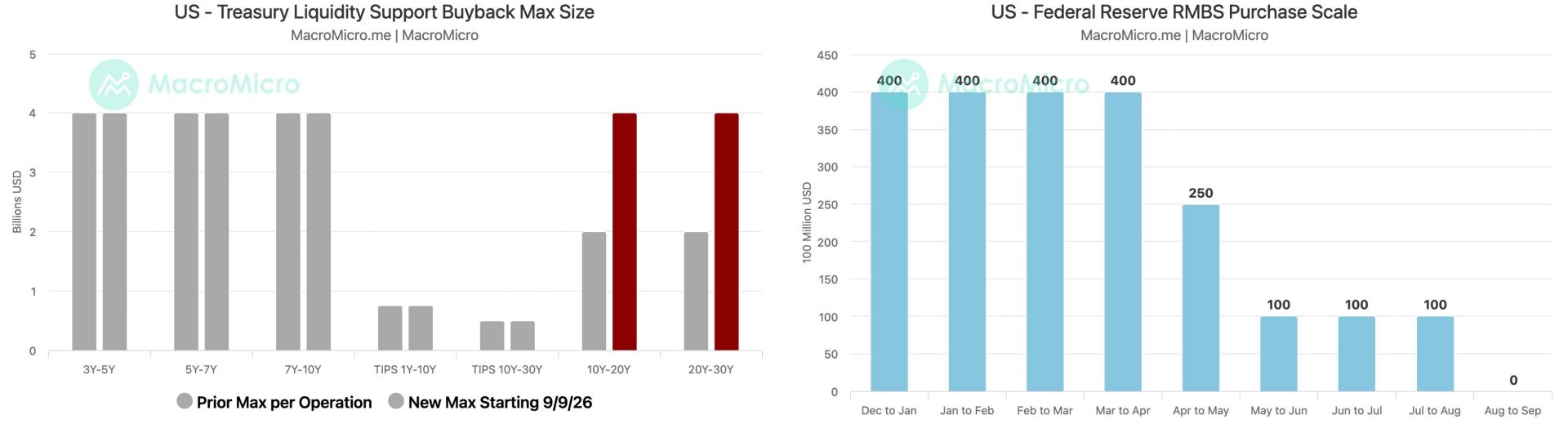
- Treasury confirmed on August 19 that it will at least double its long-dated buyback cap from $2 billion to at least $4 billion per operation, effective September 9 through November 4, after the 30-year yield hit a 19-year high of 5.34%.
- The Fed's pause on additional Treasury purchases works in tandem with Treasury's Q4 TGA drawdown, expected to roughly offset the forgone purchases.
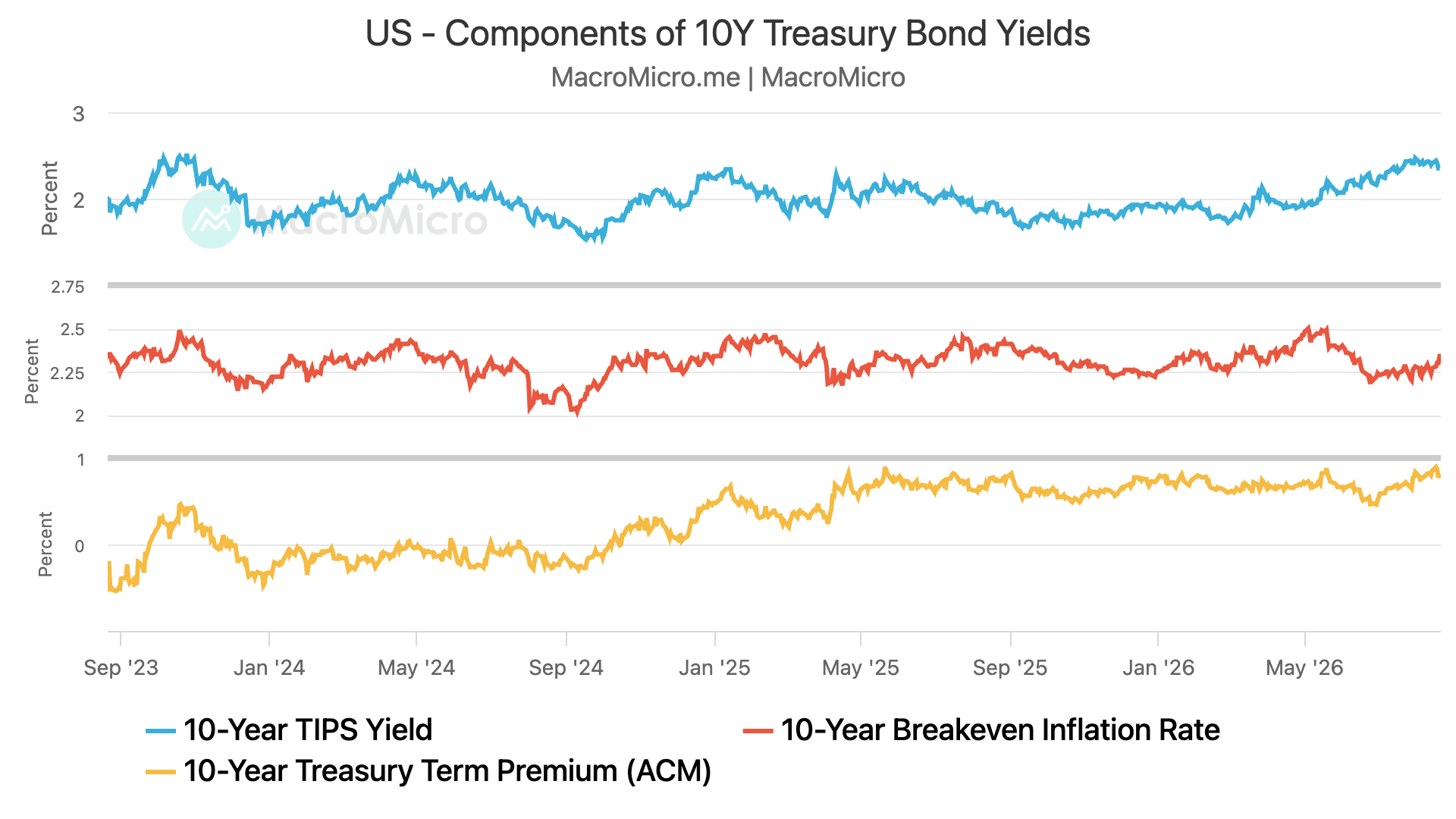
- Long-end yield increases reflect three compounding forces: unresolved uncertainty around Fed communication, geopolitical risk, and fiscal sustainability concerns, against rising Treasury supply and strong AI-financing-driven demand.
- A sustained term premium breakout would signal that Fed-Treasury coordination is failing to hold yields down, making the September Treasury market conference, the Trump-Xi meeting, and the new fiscal year key checkpoints ahead.
▌Related Charts: Fed Balance Sheet Liabilities, US PCE, US Treasury Bonds
2. Compute Flashbacks: GPU Financing Goes Mainstream as Neocloud Leverage Builds
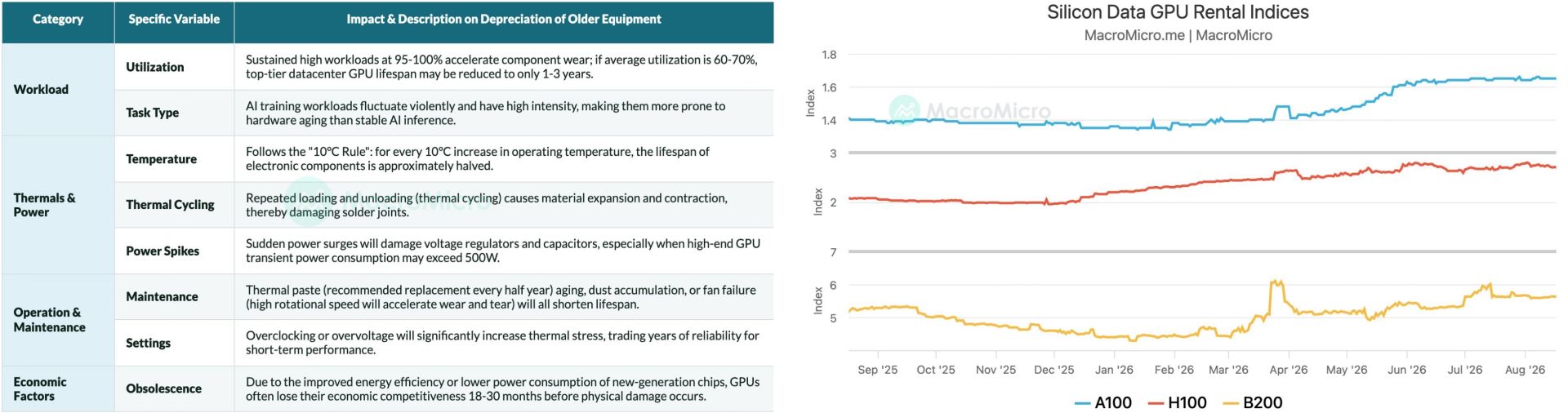
- Nvidia signed MOUs with six financial institutions on August 10, targeting over $500B in third-party capital for AI infrastructure financing, with Nvidia providing up to 25% residual value guarantees.
- CME will launch GPU rental cost futures on October 5, while SEC guidance exempting data center asset-backed bonds from post-2008 ABS rules clears a key regulatory hurdle.
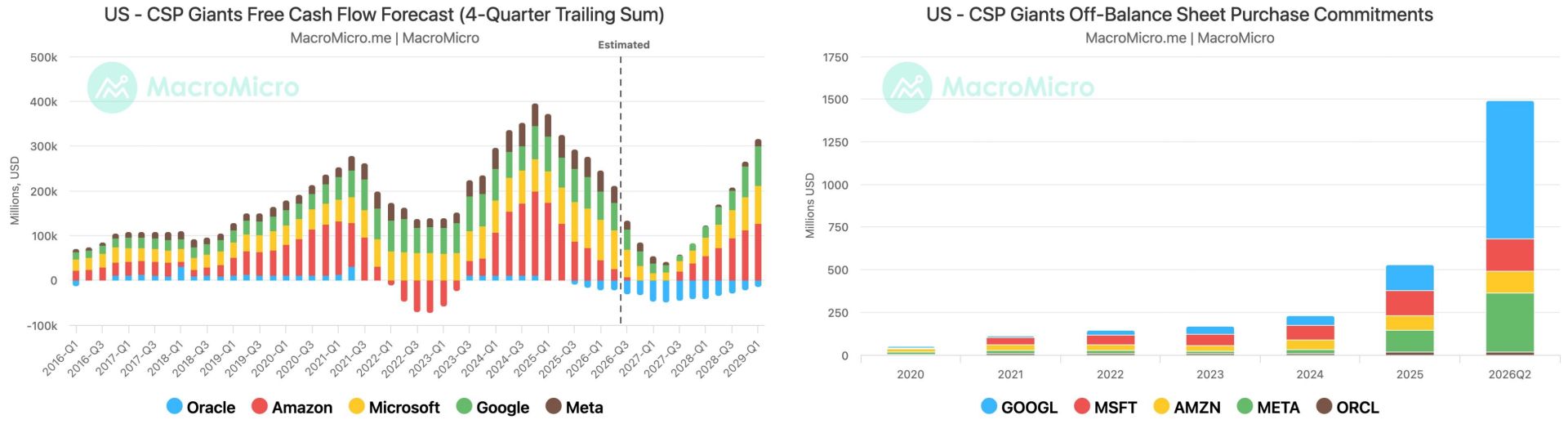
- Credit stress remains concentrated in leveraged neoclouds like Oracle and CoreWeave rather than the four major CSPs.
- The five largest hyperscalers have issued roughly $220B in corporate debt in 2026 (nearly double full-year 2025), shifting financing toward debt from cash reserves.
▌Related Charts: GPU Rental Indices, Hyperscaler Free Cash Flow
3. Keep on Korea: AI Export Strength Meets a Leverage Reckoning
- Korean memory exports remain in strong expansion, with DRAM prices up 60% QoQ in Q2 and manufacturing PMI at 53.1 in July.
- South Korea's MSCI forward P/E has fallen to 18.64x from 24.43x in June even as earnings...

Subscribe Now to Download the Full Report
About Weekly Economic and Financial Commentary (WEFC)
The MacroMicro WEFC is published weekly, delivering rigorous analysis and in-depth insights on the most critical market-moving events. Coverage spans equities, foreign exchange, bonds, commodities, global central banks, geopolitics, and the international political economy.
At its core is a concise, roughly 20-page Chart Pack designed to help you grasp market trends at a glance. Subscribe Now » to download the full PDF report, lock in the current offer before prices rise and secure your future upgrade to Max AI with full AI access.
Already a subscriber? Click here to log in.
Full Access to Our Services

Comprehensive data at your service
with key indicators for investment insights

Exclusive flash reports
on key events and data

Create your own charts and analysis
including performance backtesting

Hub of professionals to engage
in meaningful discussions and insights
 Get answers from MM AI.
-
What measures did the Treasury Department implement to address long-dated buyback programs?
💡The Treasury Department expanded its long-dated buyback program, confirming on August 19 that it will at least double its long-dated buyback cap from $2 billion to at least $4 billion per operation. This measure became effective on September 9 and will run through November 4, following the 30-year yield hitting a 19-year high of 5.34%.
-
Which factors are contributing to the increase in long-end yields?
💡Long-end yield increases reflect three compounding forces: unresolved uncertainty around Fed communication, geopolitical risk, and fiscal sustainability concerns. These factors are set against a backdrop of rising Treasury supply and strong AI-financing-driven demand. A sustained term premium breakout would indicate a failure in Fed-Treasury coordination to manage yields.
-
What role does Nvidia play in AI infrastructure financing, and with which institutions?
💡Nvidia plays a significant role in AI infrastructure financing by signing Memoranda of Understanding (MOUs) with six financial institutions on August 10. The company targets over $500 billion in third-party capital for AI infrastructure financing, providing up to 25% residual value guarantees to these institutions. This initiative aims to facilitate the substantial investment needed for AI development.
-
What new financial instruments are being introduced for GPU rental costs?
💡New financial instruments are being introduced for GPU rental costs, with CME launching GPU rental cost futures on October 5. Additionally, recent SEC guidance, which exempts data center asset-backed bonds from post-2008 ABS rules, clears a crucial regulatory hurdle, paving the way for these new financial products.
-
Where is credit stress concentrated within the cloud computing sector?
💡Credit stress within the cloud computing sector is primarily concentrated in leveraged neoclouds such as Oracle and CoreWeave. This stress is not observed in the four major cloud service providers (CSPs). These highly leveraged companies face greater financial strain due to their debt structures and market conditions.
-
How has hyperscaler financing shifted from cash reserves to corporate debt?
💡Hyperscaler financing has shifted significantly from cash reserves to corporate debt, with the five largest hyperscalers issuing approximately $220 billion in corporate debt in 2026. This amount is nearly double the full-year 2025 issuance, indicating a substantial move towards external financing to fund their operations and expansions.
-
What is the current state of South Korean memory exports and DRAM prices?
💡South Korean memory exports remain in strong expansion, with DRAM prices increasing by 60% quarter-over-quarter in Q2. The manufacturing PMI stood at 53.1 in July, further indicating robust activity in the sector. This strong performance highlights the continued demand for Korean memory products globally.
-
How has South Korea's MSCI forward P/E ratio changed recently?
💡South Korea's MSCI forward P/E ratio has fallen to 18.64x from 24.43x in June, despite earnings being upgraded. This valuation reset has outpaced the earnings trajectory, suggesting a market re-evaluation. The decline indicates investors are pricing in higher risk or lower future growth expectations despite improved earnings.
-
How did Japan's Q2 2026 real GDP perform, and which components contributed to growth?
💡Japan's Q2 2026 real GDP grew 1.1% quarter-over-quarter annualized, falling below the 2.0% consensus. Private consumption was flat, a first in nearly two years, while government consumption contributed 1.3 percentage points, driven by the Takaichi cabinet's free tuition and school lunch policies. Net exports added 1.8 percentage points due to AI-linked semiconductor, electronics, and auto demand.
-
What triggered the joint US-Japan intervention regarding the USD/JPY exchange rate?
💡The USD/JPY exchange rate approaching 164 in late July, a 40-year low, triggered the first joint US-Japan intervention since 2011. Despite the intervention, which saw the pair retrace to 159 within weeks, the US-Japan policy rate gap remained above 2.5 percentage points, highlighting persistent market pressures.
