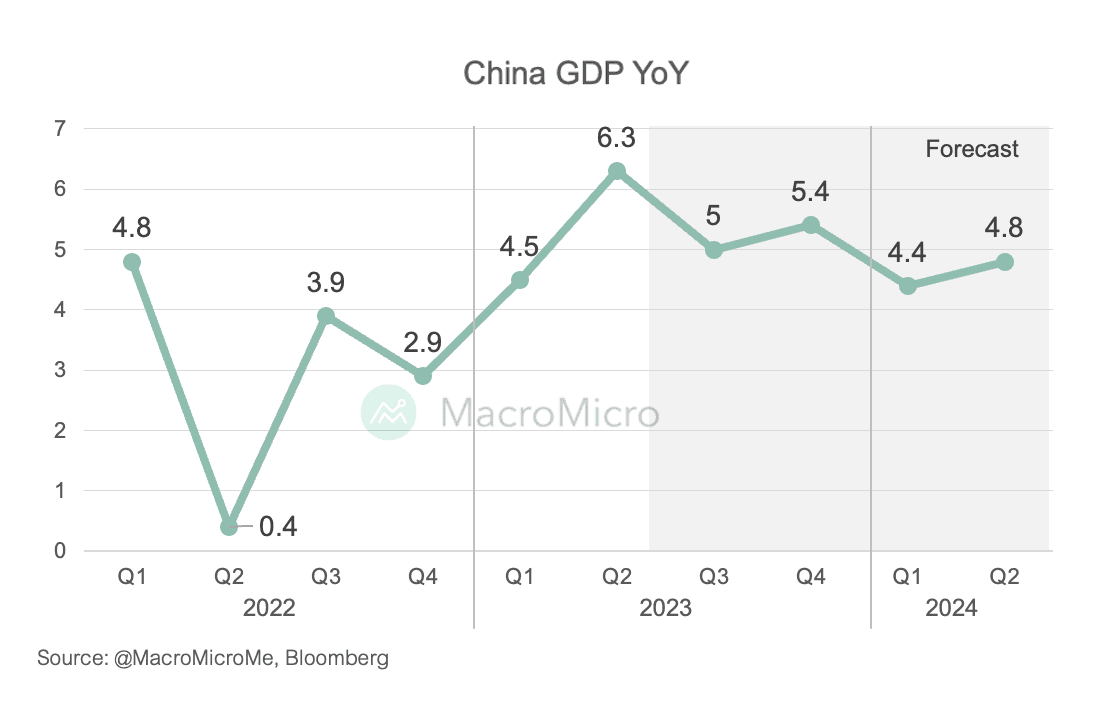
China's Q2 economic growth fell short of expectations, with a YoY GDP increase of 6.3%. Check out the article below for an overview of China's Q2 economic assessment and related charts.

China’s Q2 GDP Recovery Falls Short of Expectations
China's Q2 GDP rose 6.3% from a year earlier thanks to a low base effect. However, this figure still fell short of the market's forecast of 7.1%. Sluggish rebound of the real estate market, negative growth in private investment, and a deteriorating export outlook contributed to this trend.
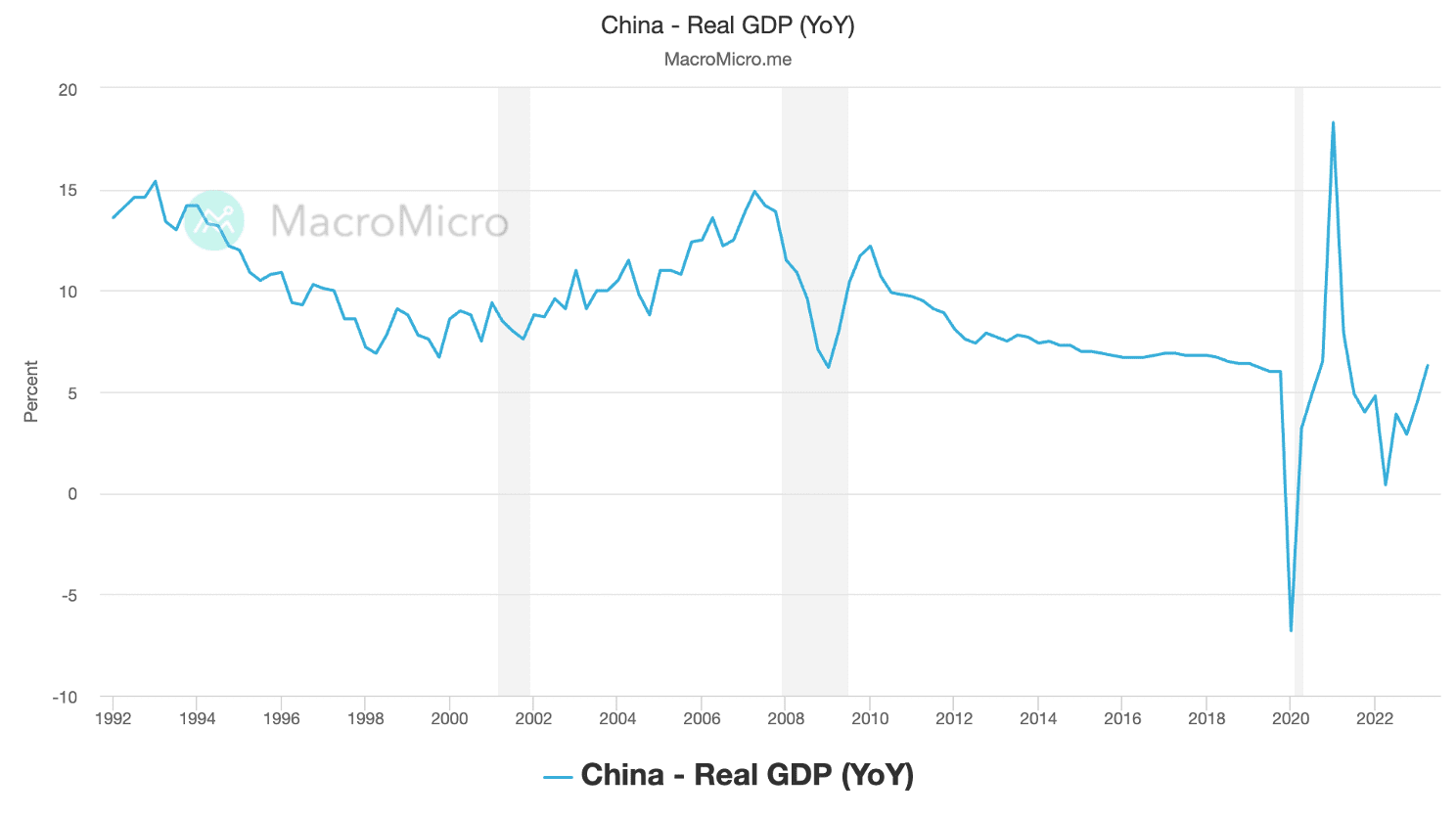
Three Key Concerns Behind China's Lower-Than-Expected GDP
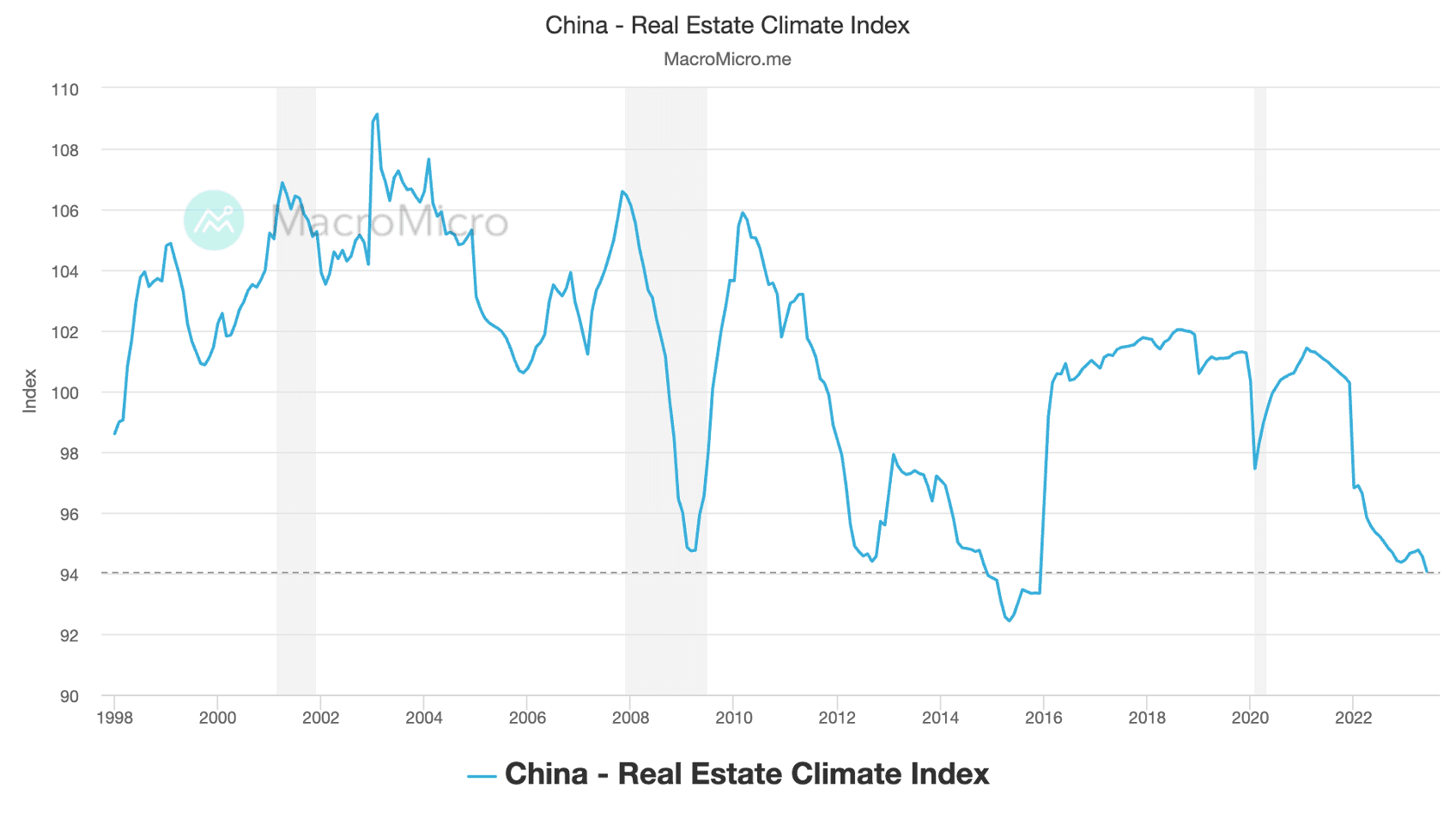
1. Slow recovery of the real estate market
In June, the Real Estate Climate Index fell to 94.06, a new low since 2016. In addition, the growth rate of real estate investment dropped to -7.9%, and commodity housing sales recovery came to a halt, with annual growth rate plummeting to 1.1%.
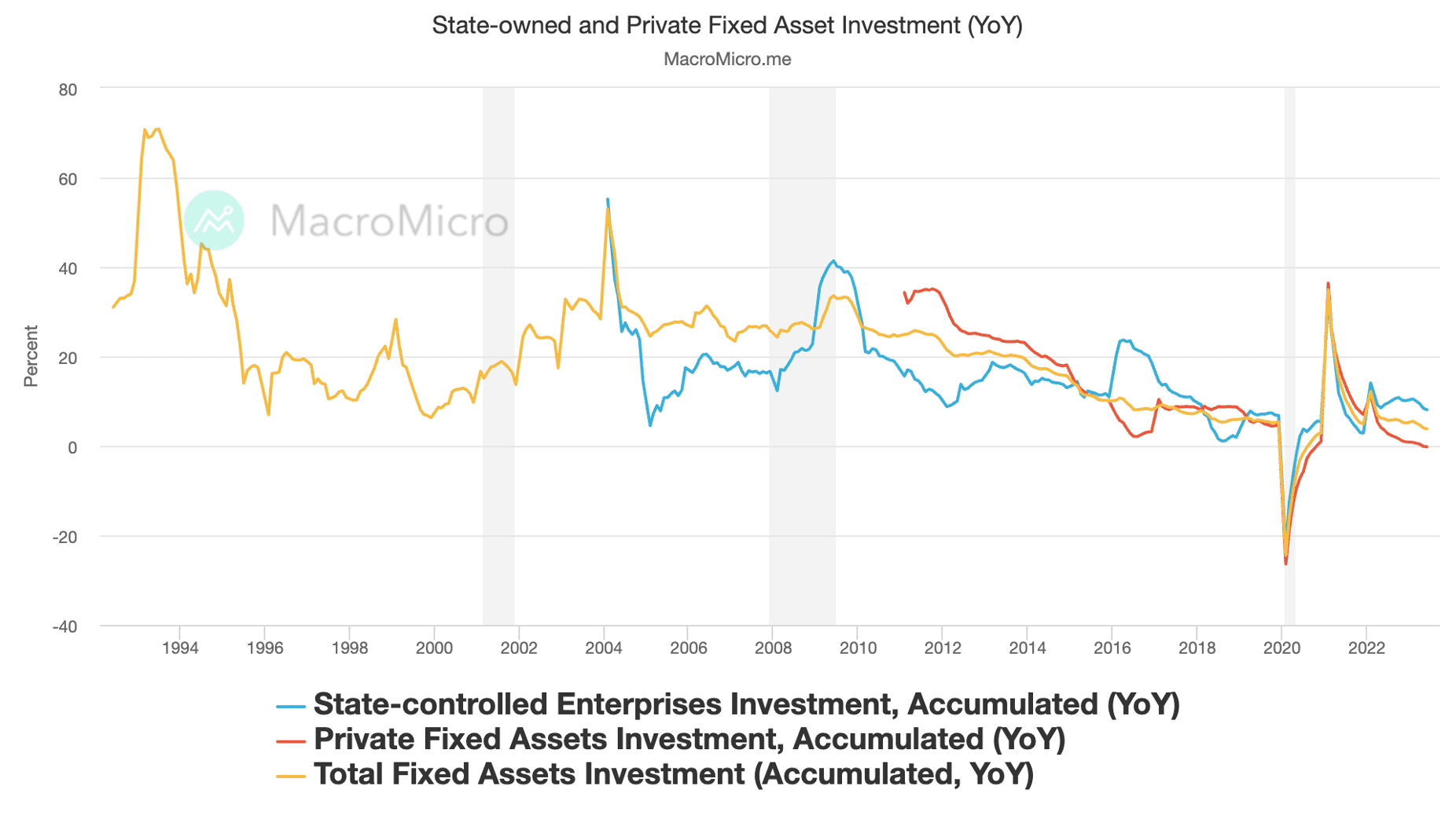
2. Private investment declined by 0.2%
China's fixed-asset investment in 1H 2023 rose by 3.8% YoY, marking a historically low growth rate when excluding the pandemic period. Meanwhile, the growth rate of private investment fell to -0.2%, indicating that the confidence of private enterprises has yet to fully recover.
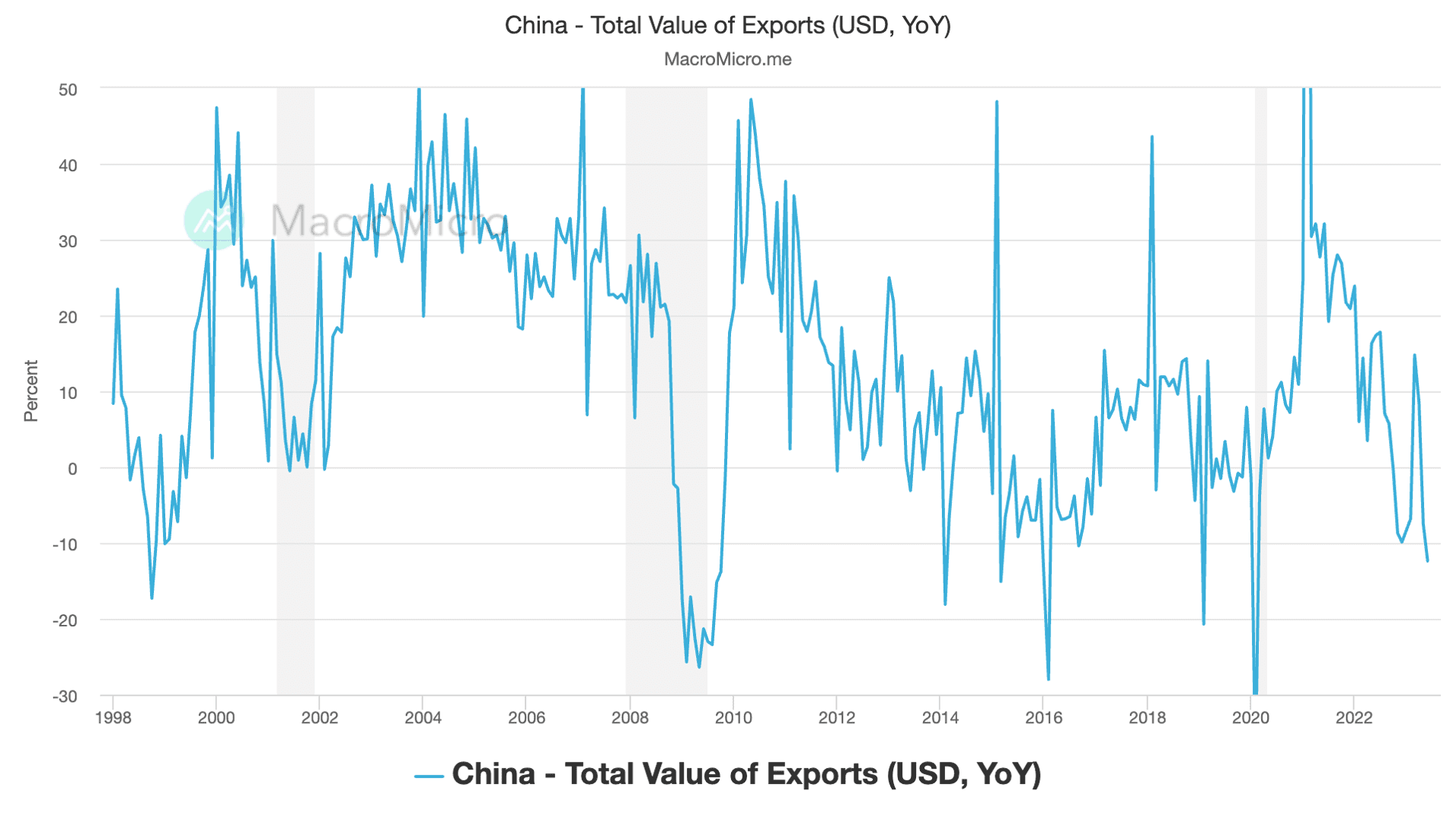
3. Weakness in export outlook
After a swift comeback of export orders in the first quarter, external demand cooled down in the second quarter as overseas demand for electronic products entered off-season. In May and June, exports contracted by -7.5% and -12.4% from a year earlier, respectively.
Retail Sales Offer a Glimpse of Hope
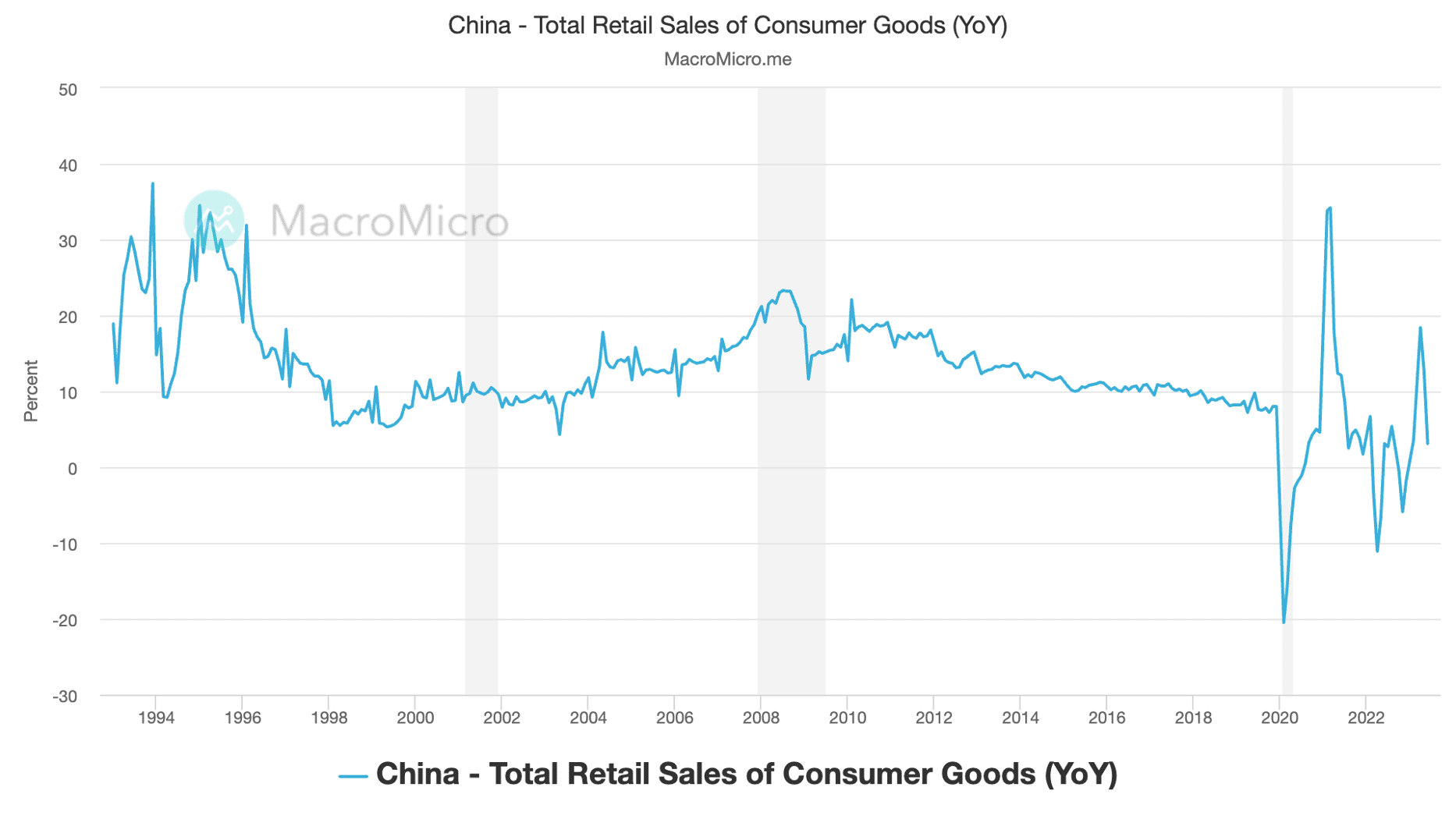
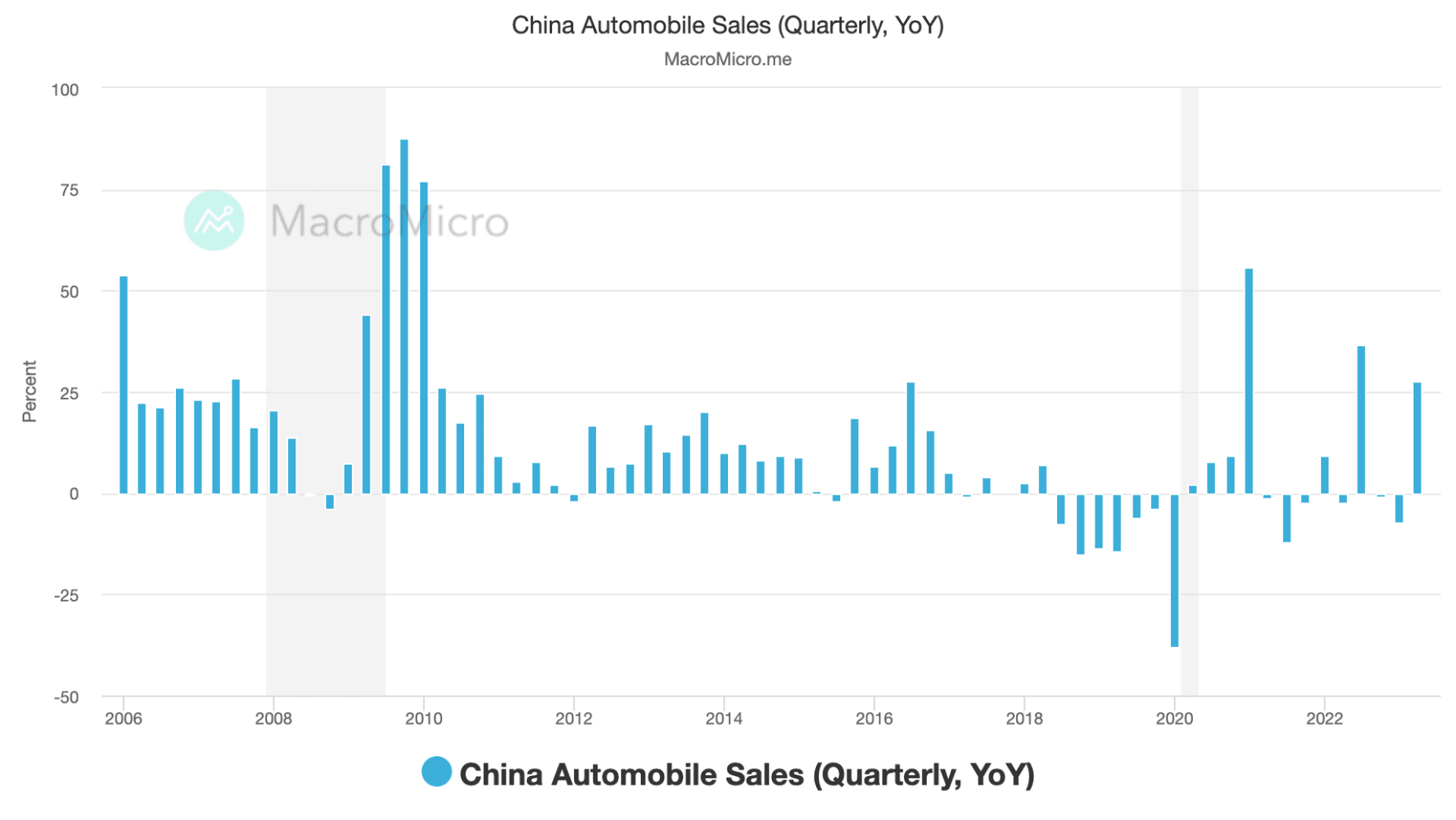
Despite facing strong headwinds, retail sales and industry value added in China revealed promising signs. The 618 shopping festival spurred a record-breaking surge in mobile phone retail sales. Household appliance retail sales also saw a remarkable annual growth of 4.5%, alone with a staggering 77.1% monthly growth rate. This suggests a gradual uptick in certain products’ demand from their previous lows. Additionally, the robust demand in the auto market sustained, registering a year-on-year growth of 27.4% in the second quarter.
Conclusion: Economic Recovery Fell Short of Expectations, More Policy Support Needed
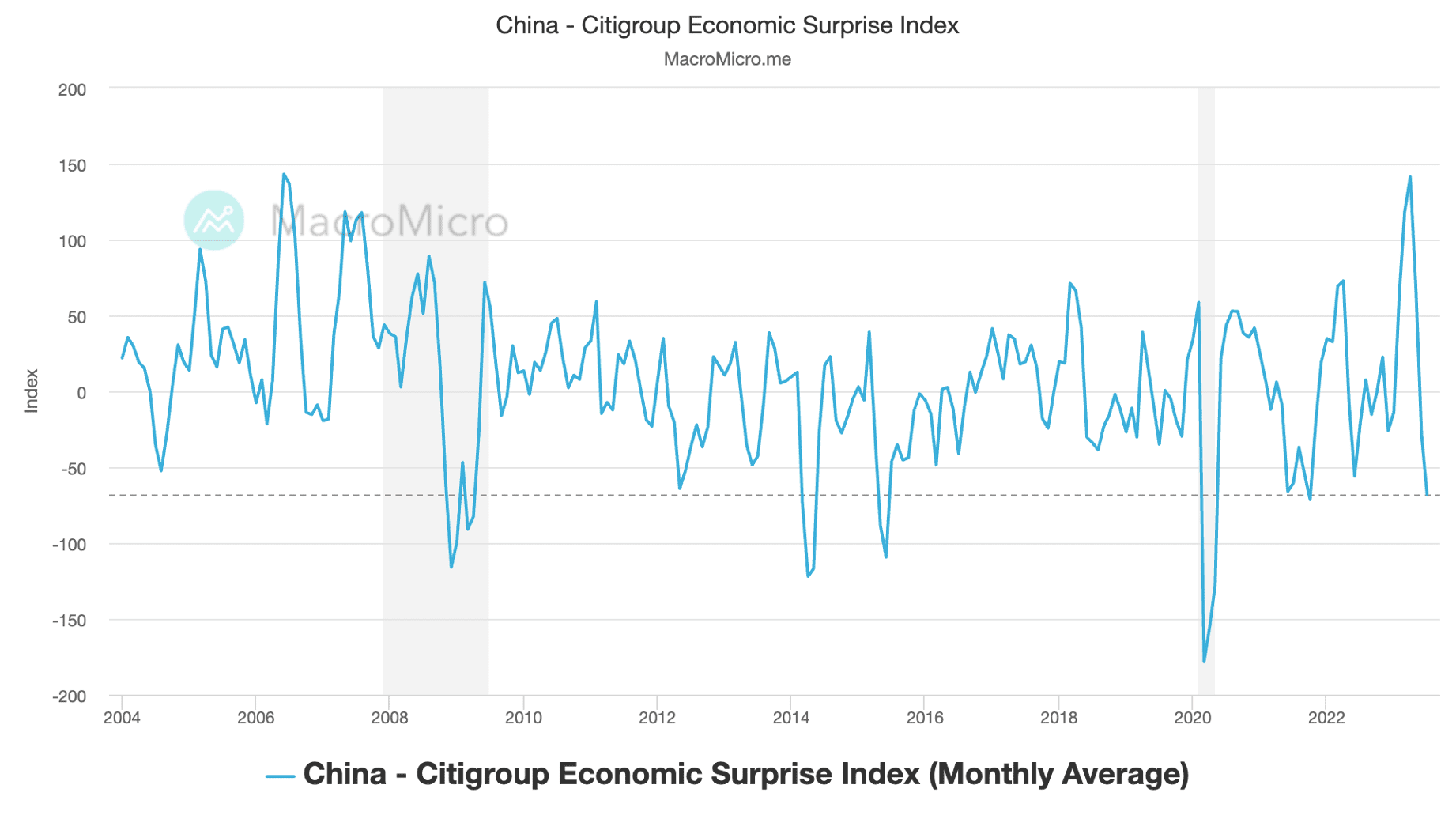
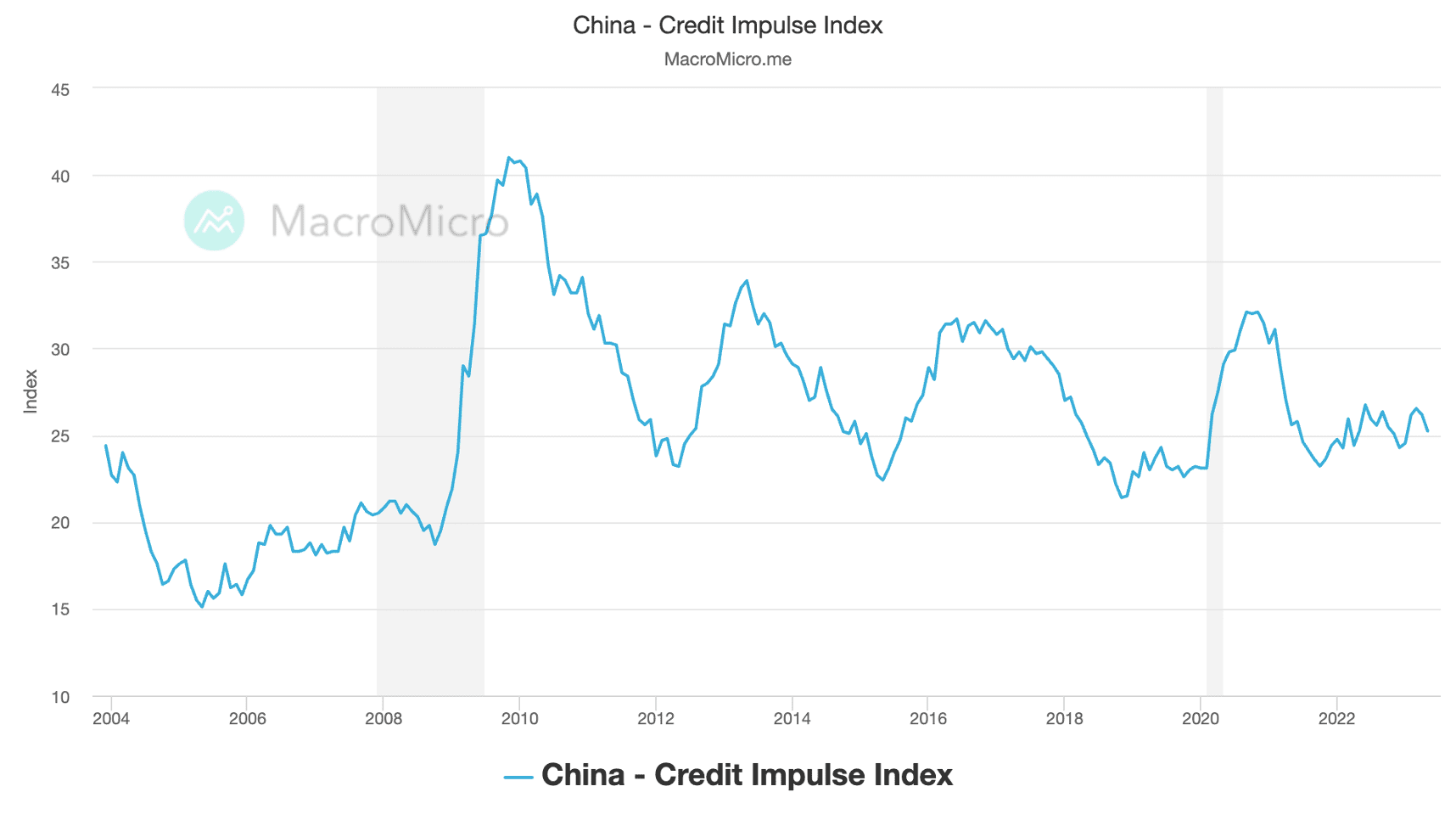
Recent economic indicators suggest that China's recovery is falling short of expectations. This has led to the country’s Citigroup Economic Surprise Index hitting its lowest point since October 2021. A slowdown in investments and a slump in exports are largely to blame for the downtrend. Bloomberg Credit Pulse Index reached a plateau since 2022, suggesting the current accommodative monetary policy is not effectively stimulating the real economy.
Our research team believes that China's economic recovery is likely to follow an U-shaped pattern. Bloomberg Economists forecast China's Q3 and Q4 economic growth rates to be 5.0% and 5.4% respectively, suggesting a slow recovery through the second half of the year. However, the good news is that the Chinese government recently announced it will extend the 16-point plan from last year to continue supporting the property sector, a decision that could further prop up the real estate market.
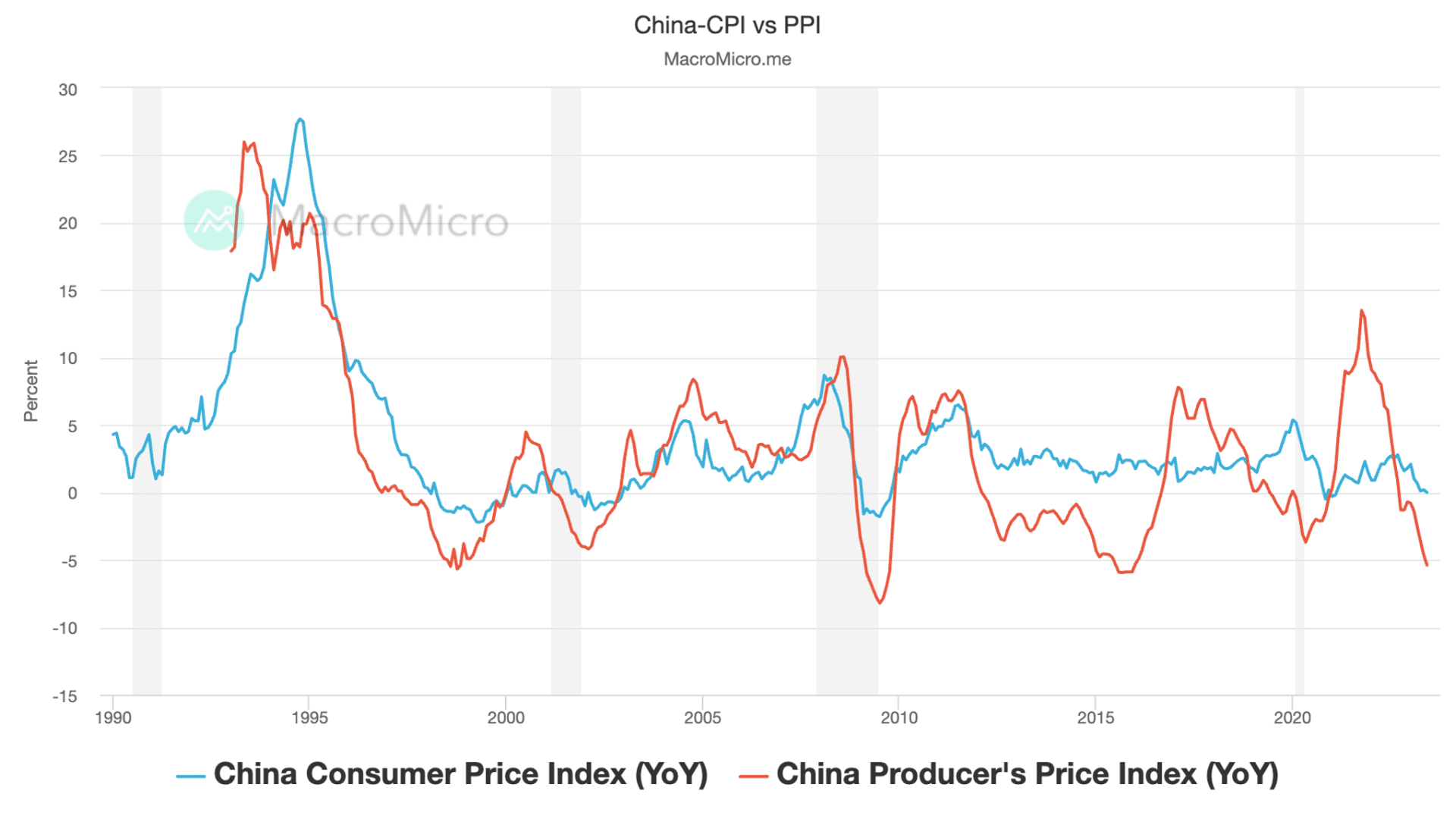
In conclusion, in order to sustain its economic recovery and mitigate potential deflation risks, as indicated by the year-on-year Consumer Price Index (CPI) growth rate dropping to zero, China is in dire need of further policy support. The market anticipates that the People's Bank of China (PBoC) will maintain its accommodative monetary policy stance and potentially has room for further interest rate cuts.
We hope you enjoyed reading this article! Please let us know your thoughts and feedback: MacroMicro Reader Feedback Survey

