Q1. Is AI destroying traditional software business models?
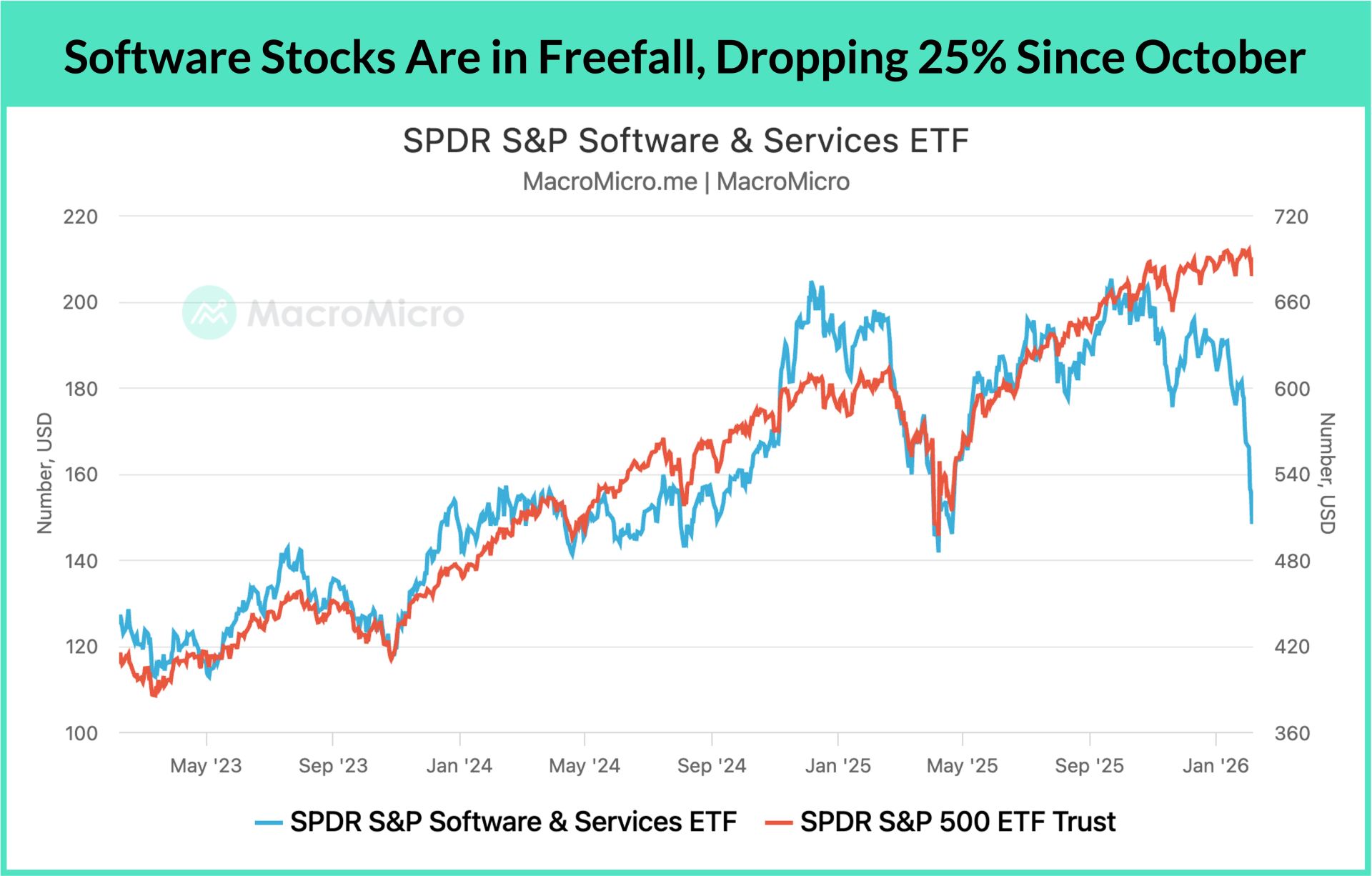
A: AI is not uniformly disrupting software, but it is dividing the sector into winners and losers based on the strength of their moats. We expect capital to consolidate around platforms that integrate AI agents while single-function tools face severe commoditization.
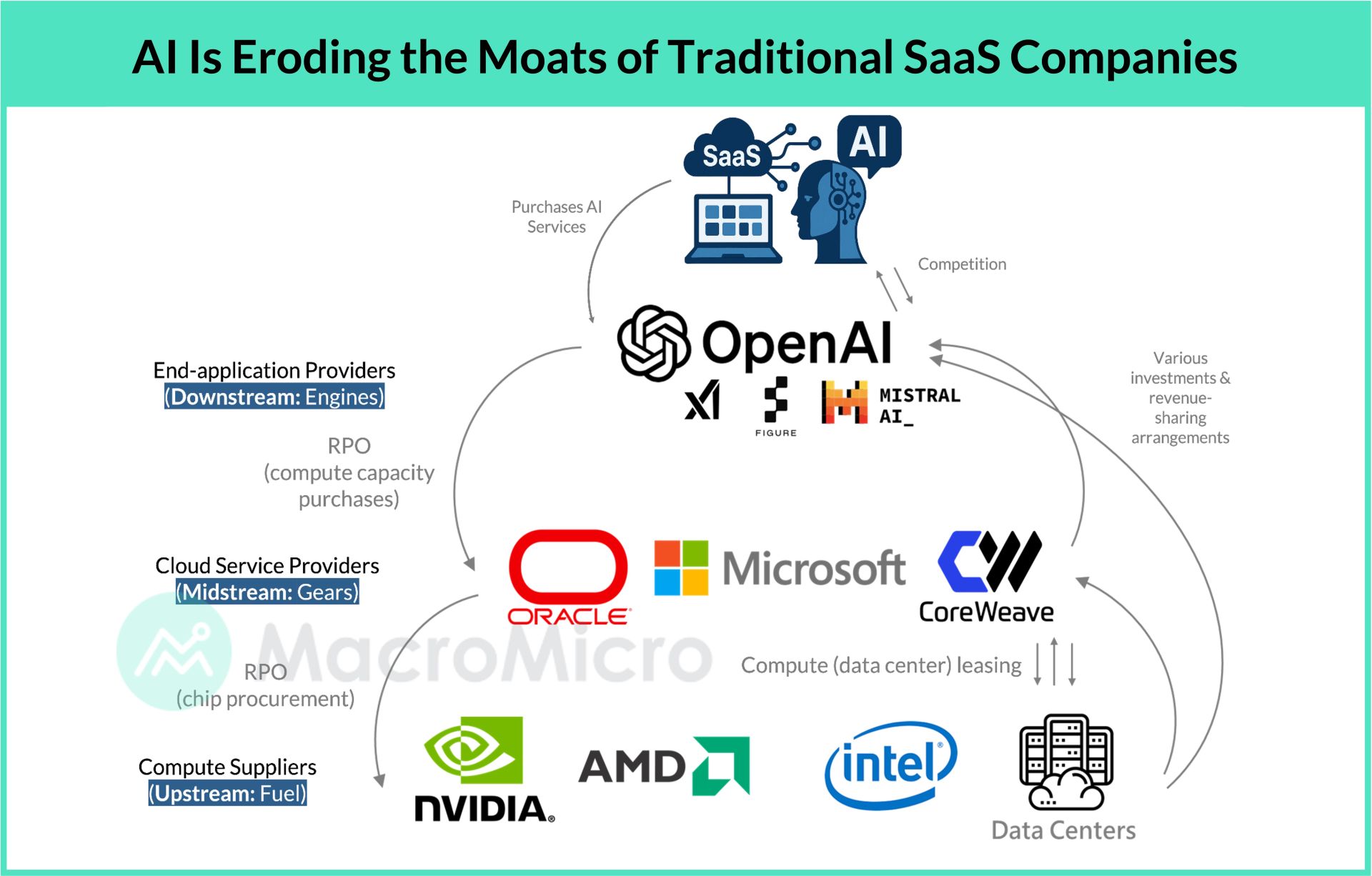
The market has shifted from an indiscriminate growth phase to a "monetization scrutiny phase." Software companies with shallow workflows or low switching costs are losing pricing power as AI models make their features interchangeable. Conversely, platforms that serve as the control layer for AI agents (i.e. Satya Nadella’s "Agents are the new Apps") will capture the value. We are essentially seeing a rewiring of the value chain where the winners are those who can monetize deeply integrated workflows.
Related Reading: When Returns Meet Reality: Tech’s Monetization Doubts
Q2: Is AI CapEx becoming excessive? How sustainable is the current cycle?
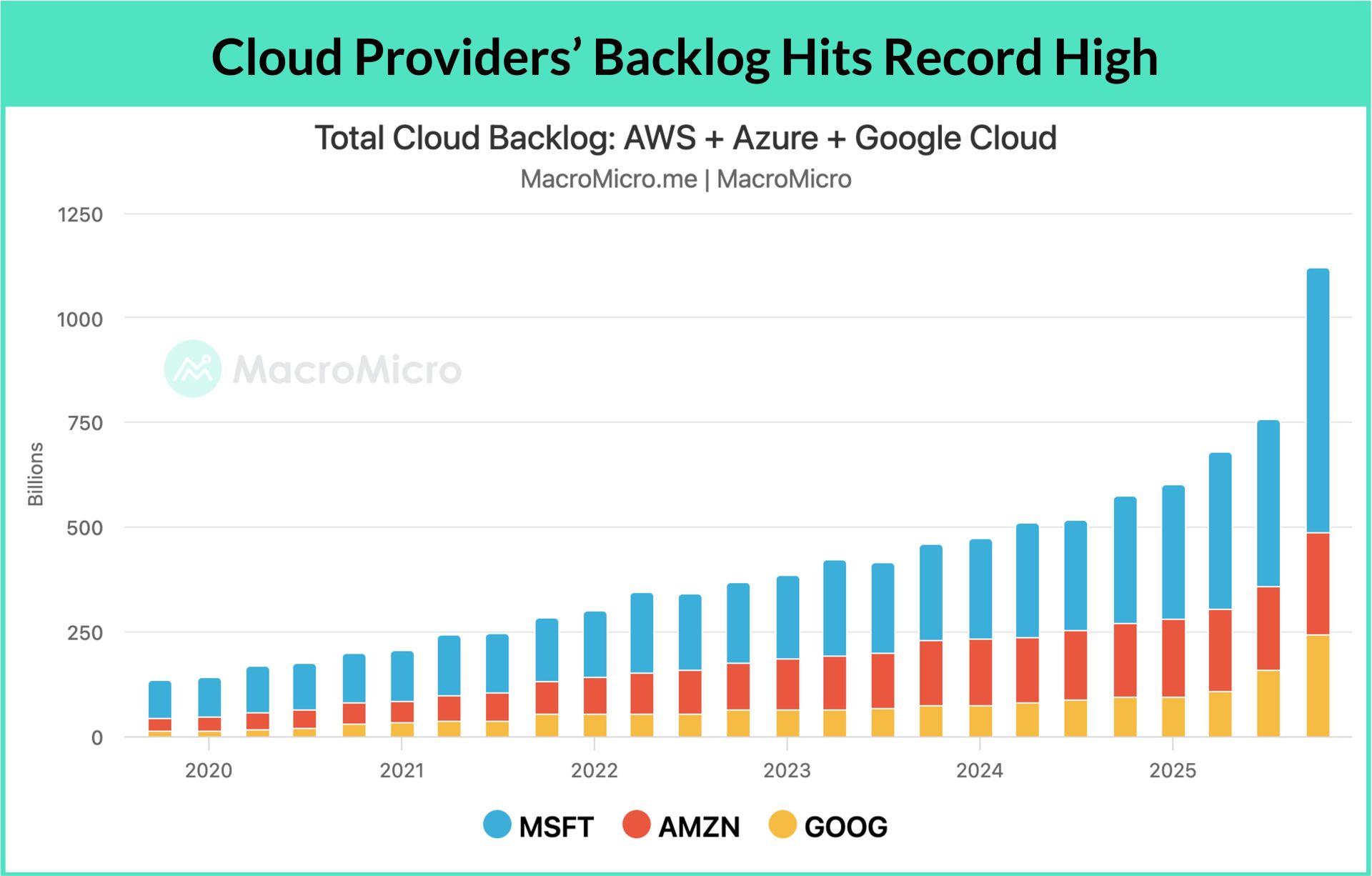
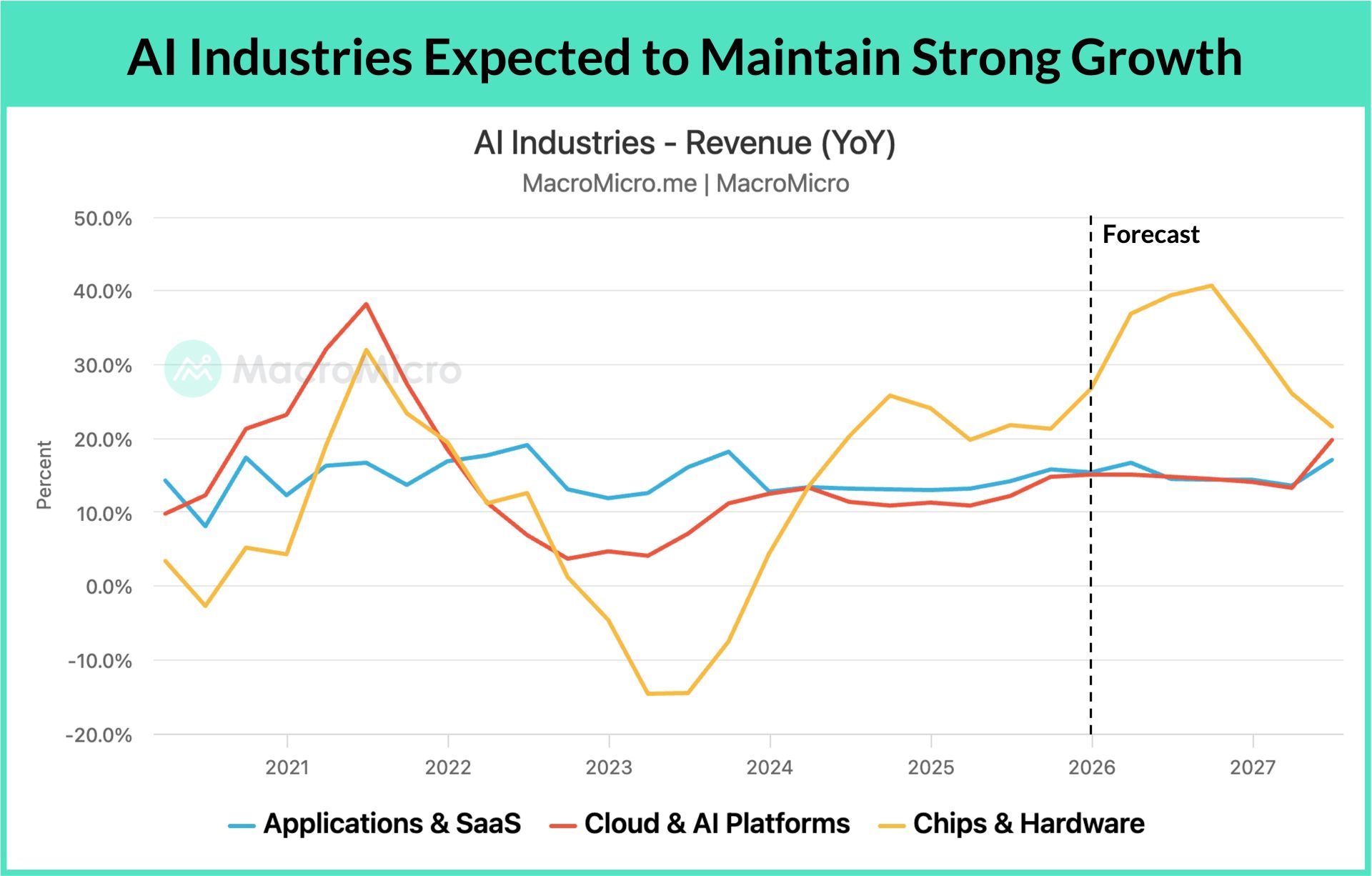
A: AI CapEx in 2026 is undeniably massive, but size alone does not equal excess. The current capital expenditure cycle is supported by fundamental demand. We see a supply-constrained market rather than a speculative bubble.
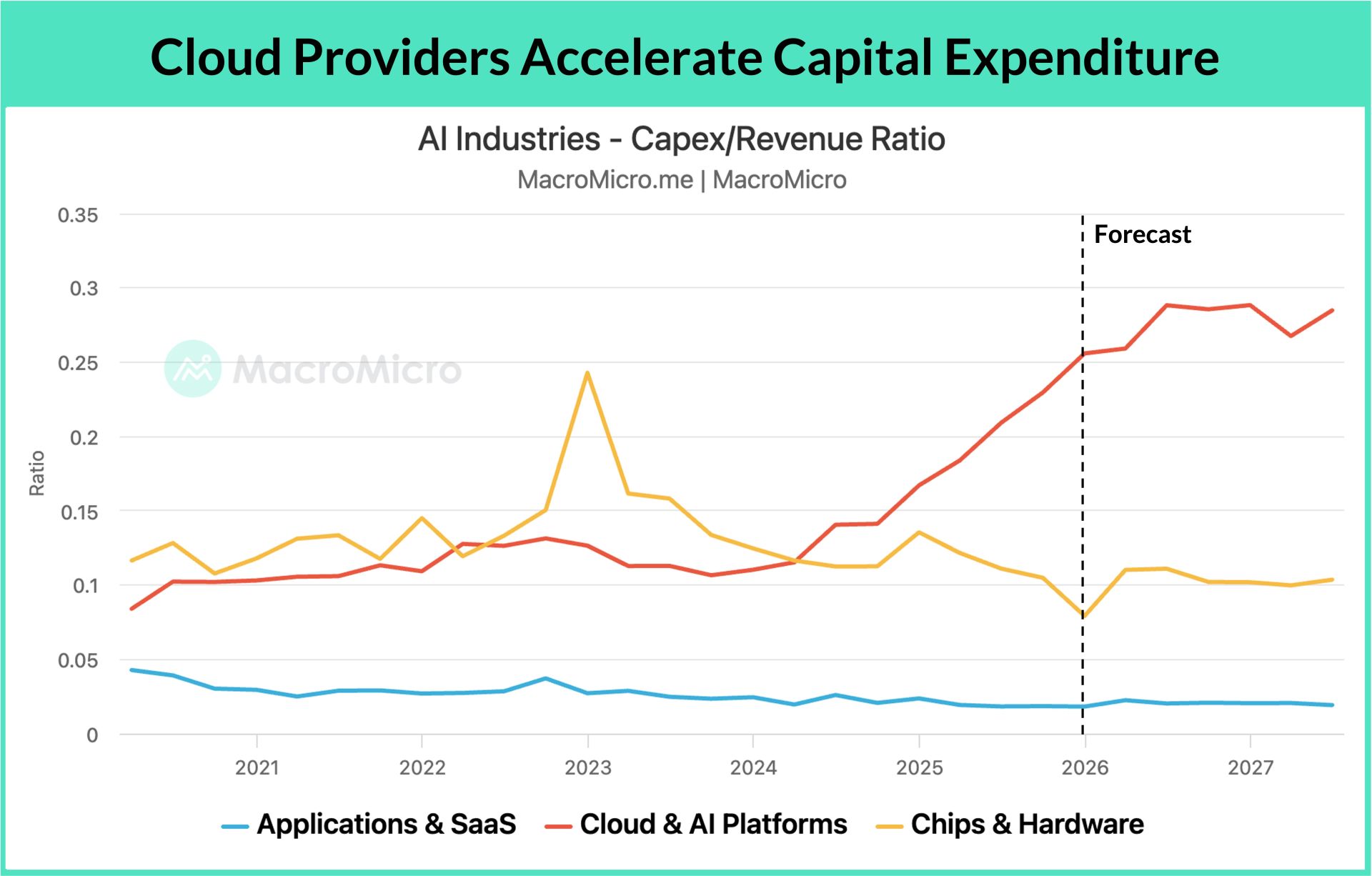
Hyperscalers are accelerating spending on data centers, GPUs, networking, and custom silicon to secure long-term positioning. That is typical in the early phases of a technology super-cycle. Overinvestment becomes a risk only when revenue growth, utilization, and pricing power fail to keep pace with capacity expansion. In other words, the danger is not high CapEx itself, but a widening gap between capital intensity and sustainable cash returns.
To assess whether spending is becoming excessive, focus on several core indicators: the CapEx-to-revenue ratio of cloud providers; the growth gap between AI-related revenue and AI CapEx; data center utilization and backlog visibility; and semiconductor inventory levels and lead times. If CapEx continues to accelerate while revenue growth moderates, utilization weakens, or inventories build, that would signal rising return pressure. For now, demand signals remain constructive—but investors should closely monitor whether monetization keeps pace with expansion.
Related Reading: When Returns Meet Reality: Tech’s Monetization Doubts
Q3. How are memory price surges affecting consumer electronics, and is this a cause for concern?
A: Rising component costs will drive a structural divergence in the hardware market. Premium brands with pricing power will protect margins while lower-tier manufacturers face significant profitability risks.
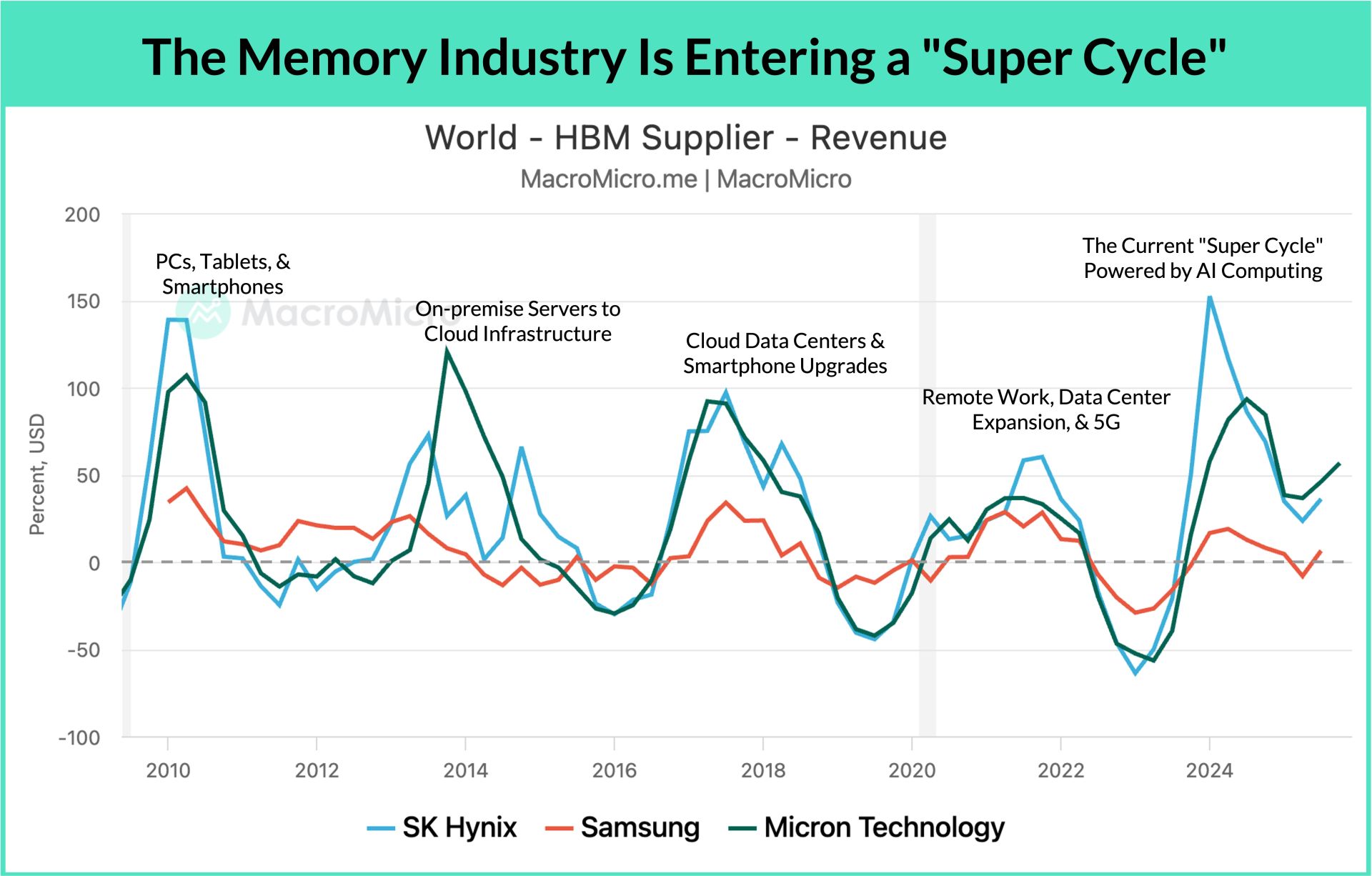
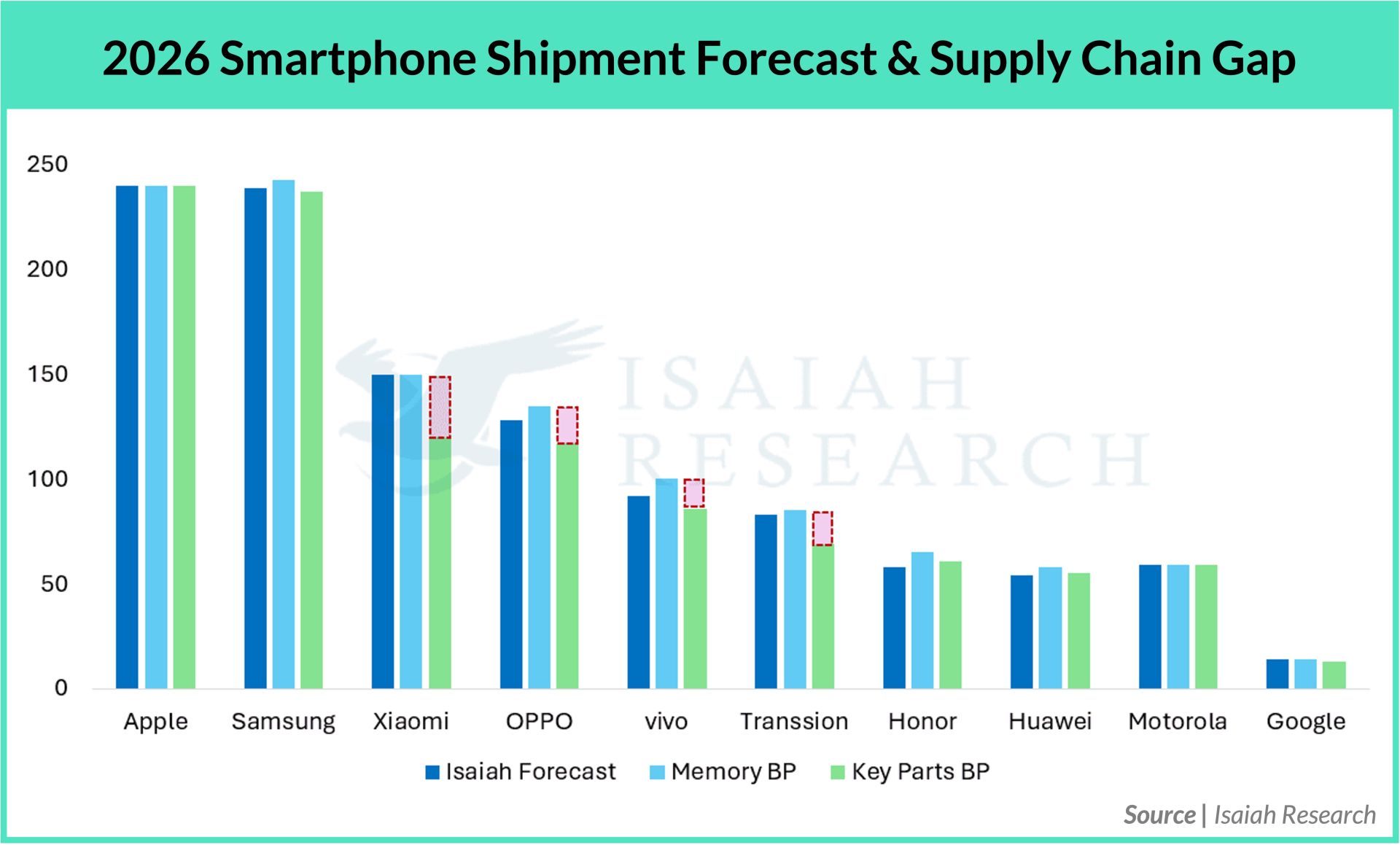
Rising DRAM prices directly increase the bill of materials (BOM) for smartphones, PCs, and other consumer electronics, especially as AI features require higher memory capacity per device. When DRAM contract prices jump 30–50% per quarter, brands face a difficult choice: absorb the cost and compress margins, raise retail prices, or downgrade specifications (e.g., lower storage tiers or fewer premium features). According to Isaiah Research, this cost pressure is already reshaping 2026 smartphone strategies. Brands are aggressively securing memory supply to avoid shortages, while simultaneously issuing conservative forecasts to other component suppliers to preserve pricing flexibility. The result is an “M-shaped” market: premium brands like Apple and Samsung, with stronger bargaining power and ecosystem monetization, can better pass on costs; lower-tier brands face margin squeeze and shipment pressure.
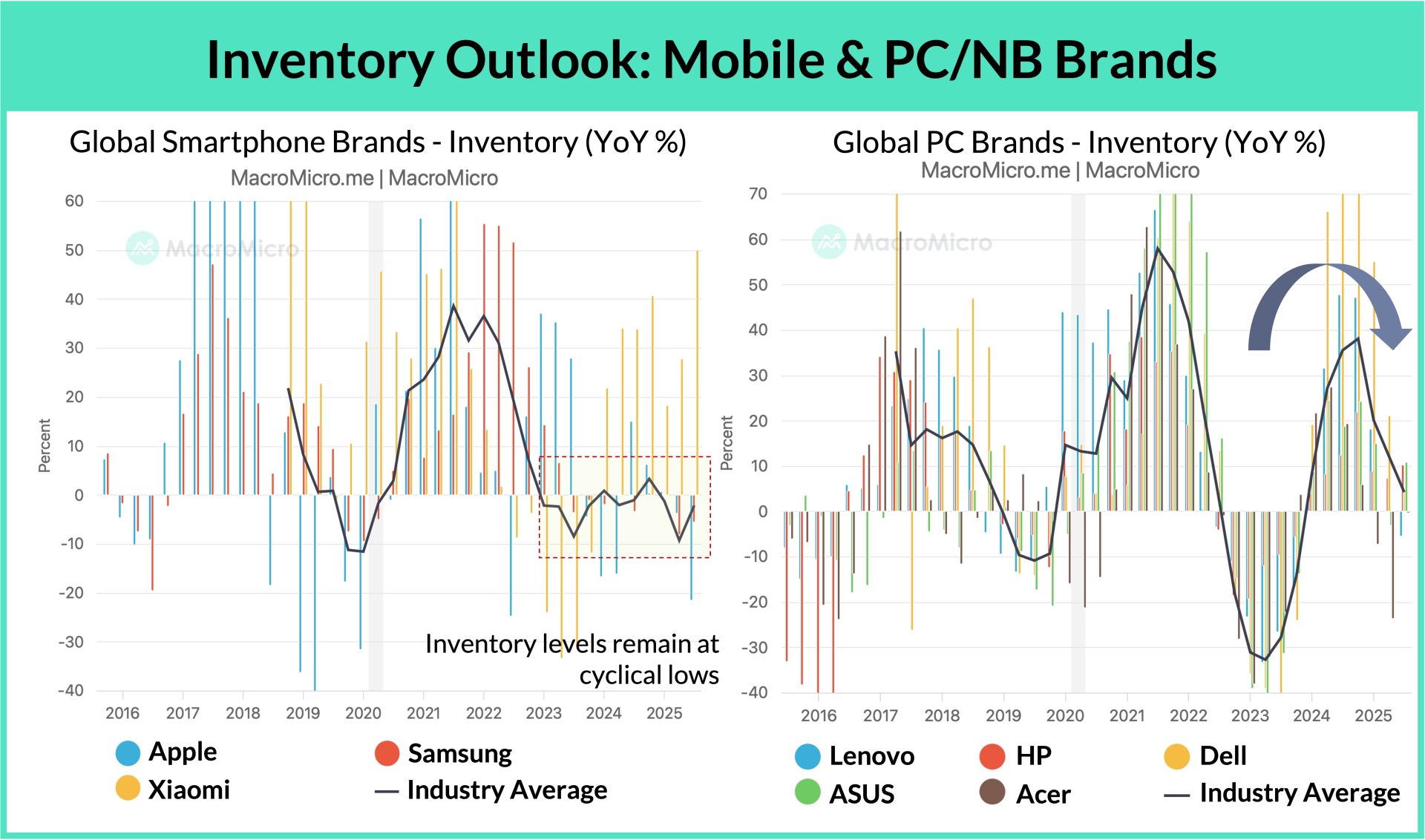
Our view is that this is not yet a demand collapse scenario, but a structural divergence phase. Inventory across the semiconductor supply chain remains healthy, suggesting fundamentals are intact. However, higher memory costs will likely cap volume growth and shift the industry toward a “low volume, high price” dynamic in 2026. Consumers may see gradual price increases or fewer aggressive discounts, particularly in mid- to low-end devices. Should we worry? Not about systemic weakness, but about polarization. The key risk to monitor is inventory and sell-through data after Q1 2026. If rising memory prices trigger inventory buildup and weak end demand, that would signal broader stress. For now, it is more a margin and mix issue than a crisis.
Related Reading:
- When Returns Meet Reality: Tech’s Monetization Doubts
- 2026 Smartphone Industry Outlook: Market Calibration Amidst Diverging Supply Chain Confidence
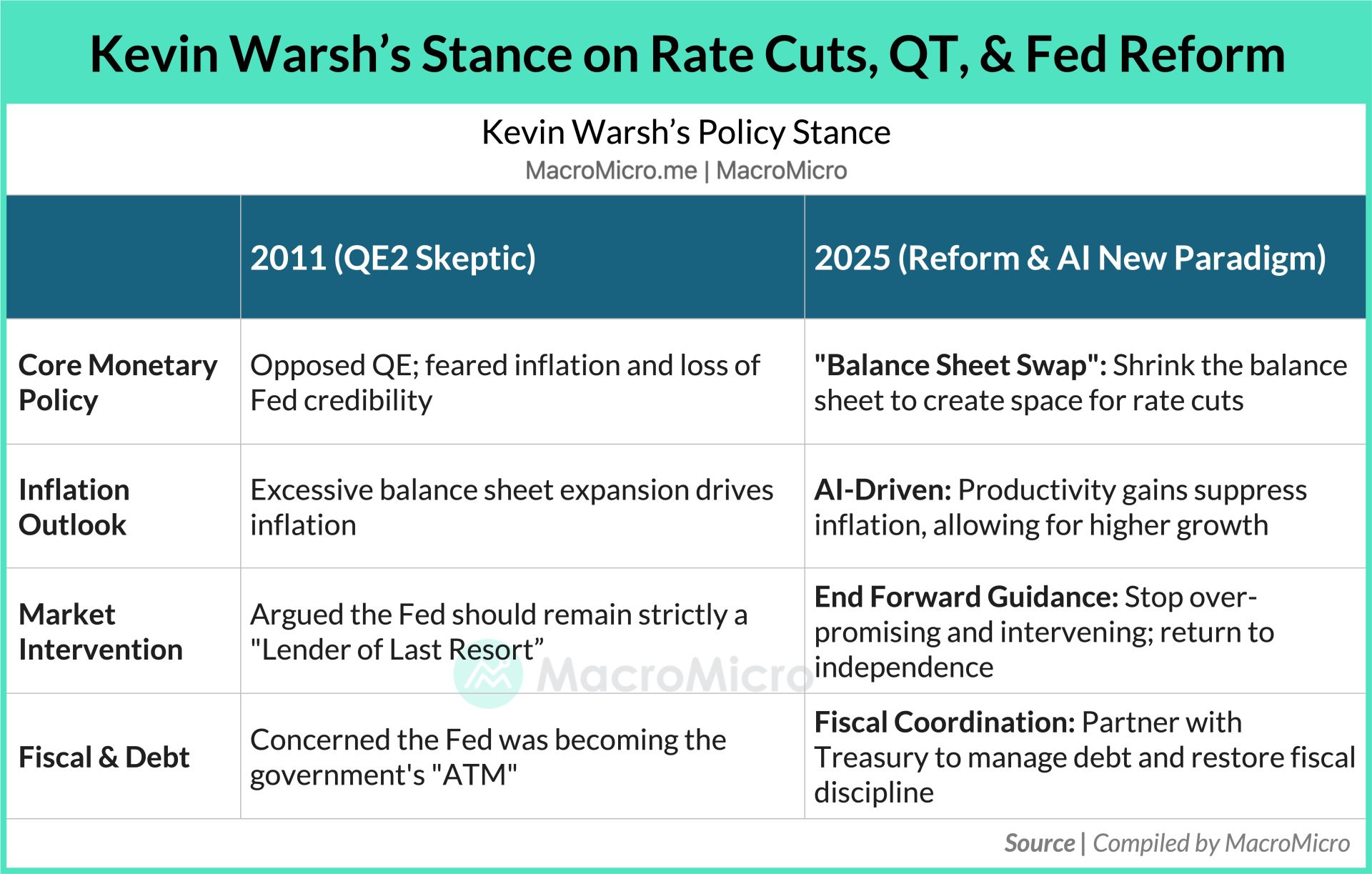
Q4: With Kevin Warsh’s nomination as Fed Chair, is QT to come?
A: Aggressive balance sheet reduction is unlikely in the near term. We expect a policy compromise involving MBS sales or portfolio rotation rather than a net withdrawal of liquidity.
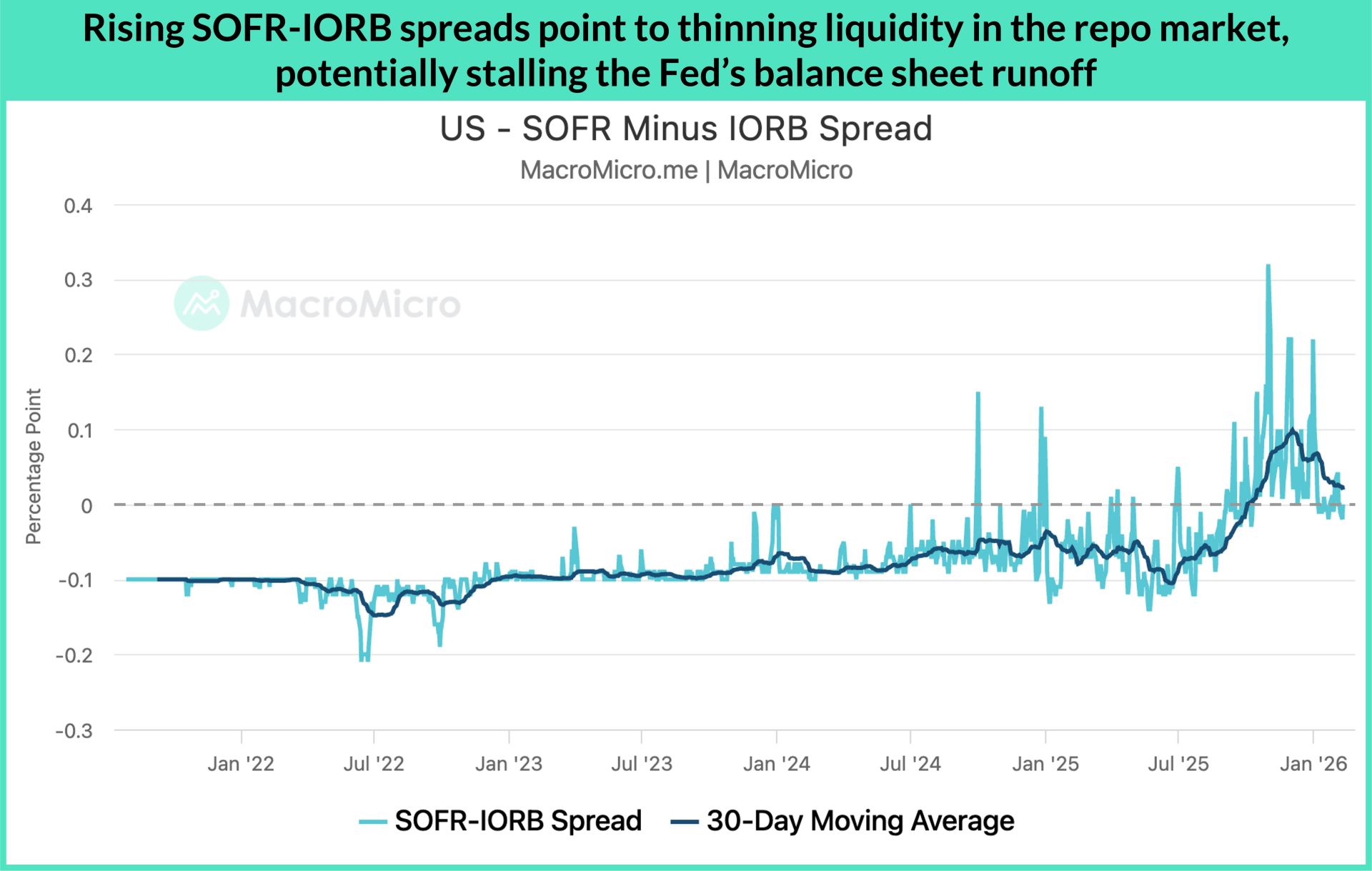
While Kevin Warsh has historically advocated for shrinking the Fed’s balance sheet, immediate execution faces two practical barriers. First, liquidity conditions are already tight. With the Treasury General Account set to absorb significant funds during the April tax season, halting bond purchases now would risk pushing overnight rates above their target corridor. Second, the incoming administration favors fiscal expansion. A sharp contraction in the Fed’s balance sheet would conflict with the Treasury’s need to fund the deficit. Consequently, we view the market’s initial fear of tightening as overstated. Warsh is more likely to pursue regulatory reform while maintaining sufficient system liquidity.
Related Reading: The Gold Plunge That Changed Nothing
Q5. Does gold's long-term upward momentum remain intact after recent volatility?
A: The secular bull market in precious metals remains intact. Fiscal expansion, irreversible fiat debasement, and accelerating de-dollarization support structurally higher prices. We view major pullbacks as long-term positioning opportunities.
 Get answers from MM AI.
-
Which key indicators should investors monitor to assess potential overinvestment in AI CapEx?
💡Investors should monitor several key indicators to assess potential overinvestment in AI CapEx, including the CapEx-to-revenue ratio of cloud providers, the growth gap between AI-related revenue and AI CapEx, data center utilization and backlog visibility, and semiconductor inventory levels and lead times. If CapEx continues to accelerate while revenue growth moderates, utilization weakens, or inventories build, it would signal rising return pressure. Currently, demand signals are constructive, but close monitoring is essential to ensure monetization keeps pace with expansion.
-
Does Kevin Warsh’s potential Fed Chair nomination imply aggressive quantitative tightening in the near term?
💡Aggressive balance sheet reduction, or quantitative tightening (QT), is unlikely in the near term even with Kevin Warsh’s historical advocacy, should he be nominated as Fed Chair. Immediate implementation faces two barriers: current tight liquidity conditions, especially with the Treasury General Account absorbing funds during the April tax season, which risks pushing overnight rates above target; and the incoming administration's preference for fiscal expansion, which conflicts with a sharp balance sheet contraction. Consequently, the market’s initial fears of tightening are overstated, with Warsh more likely to pursue regulatory reform while ensuring sufficient system liquidity.
-
Does gold’s long-term upward momentum remain intact despite recent price volatility and margin hikes?
💡Yes, gold’s long-term upward momentum remains intact despite recent price volatility and margin hikes, as the secular bull market in precious metals is supported by fundamental drivers. The recent collapse in gold and silver prices was attributed to regulatory margin hikes and a liquidity vacuum during contract rollovers, not a deterioration in underlying fundamentals. Major pullbacks are viewed as long-term positioning opportunities, with gold expected to resume its upward trajectory as the market refocuses on sovereign debt risks rather than short-term positioning noise.
-
Which duration US Treasuries are favored for bond allocation given current market conditions in 2026?
💡For bond allocation in 2026, given persistent fiscal expansion and limited rate cut potential, 1-3 year US Treasuries are favored. This short-duration exposure allows investors to capture yields with lower volatility. This segment also benefits from the Fed’s reserve management purchases, making it a more attractive option. Investors should consider fixed income as a portfolio stabilizer and an income source, rather than a primary driver of total return, given the structural floor on yields from fiscal deficits and sovereign issuance.
-
How can investors diversify portfolios while maintaining exposure to dominant US tech leaders?
💡Investors can diversify portfolios while maintaining exposure to dominant US tech leaders by making targeted satellite allocations to specific international markets that benefit from a weak dollar or industrial cycle upswings. This approach allows investors to capture opportunities in regions experiencing manufacturing recovery, such as certain Asian or European markets. However, US equities, particularly AI-driven tech leaders, should remain the core portfolio holding due to their superior earnings growth and justified valuation premium. A broad defensive rotation into bonds or international equities solely due to valuation concerns is not advised.
