What You Should Know
September brought rate hikes from the Fed, the ECB and the Bank of Japan, the first time in years that all three have moved in the same direction at once. Oil back above 100 dollars is a large part of the reason, and government bond yields in the US, Germany and Japan have climbed to levels not seen in decades. At the same time, AI spending shows no sign of slowing, even as questions grow about how it is being financed and whether regulation could get in the way. This month's Q&A covers the questions we heard most often from clients: how far central banks are likely to go, what oil means for inflation next year, whether rising debt loads are a threat, and where the money in AI is being made.
Q1. The Fed turned to a rate hike in September. Is this the beginning of a longer tightening cycle?
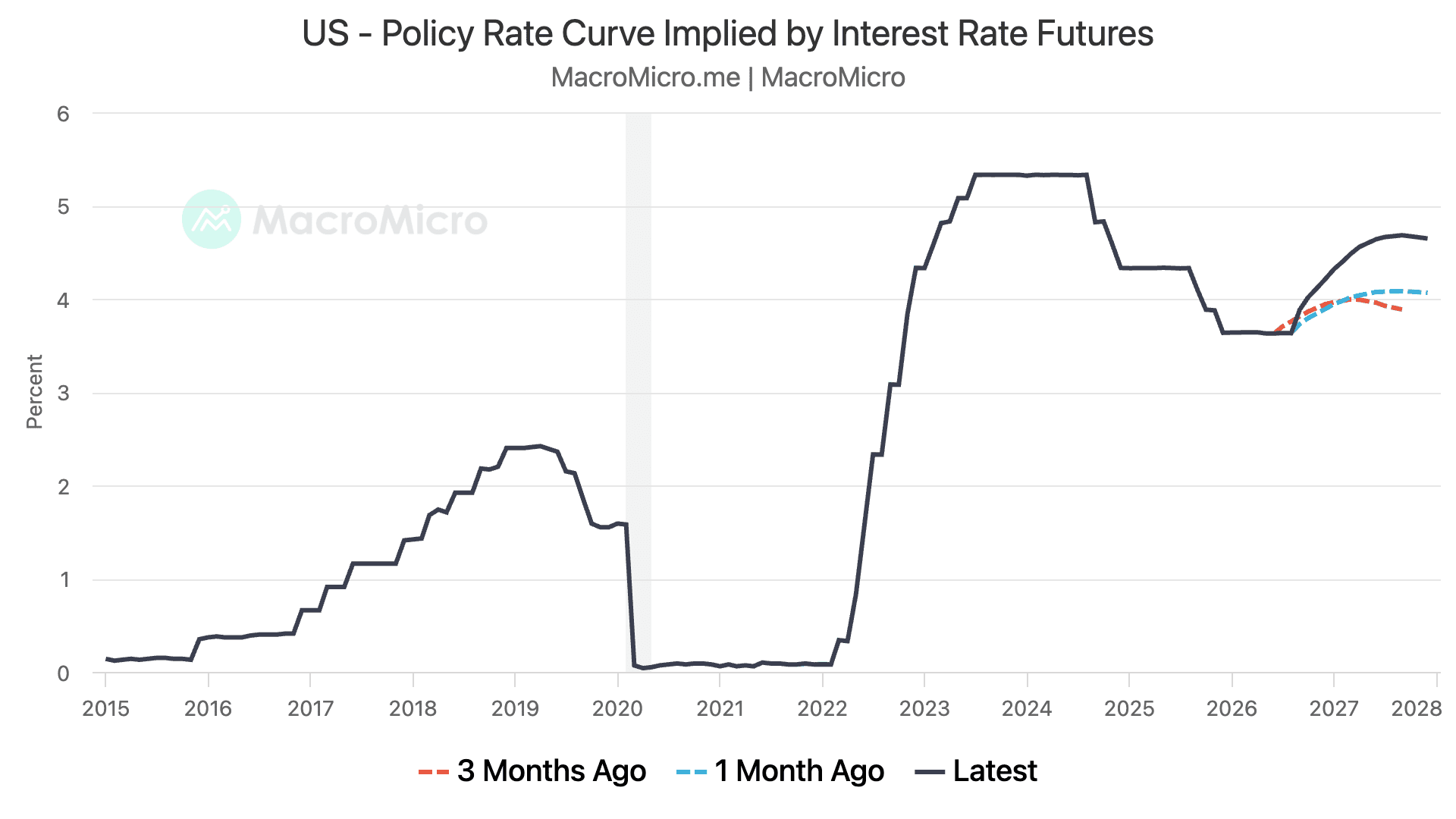
Answer: Probably not. Given the low inflation base effect in Q4 of this year, the Federal Reserve still has room for an additional quarter-point rate hike. However, we believe this tightening cycle will be limited. After raising rates this year, the Fed is expected to slow its pace again next year. The Fed acted because inflation had stalled, not because it was accelerating: August headline CPI rose 3.4% from a year earlier, and core's 0.3% monthly gain came in a touch above forecasts. Beneath those figures, price pressure is fairly contained. Core goods rose only 0.1% on the month, core services stayed well below their earlier peaks, and sticky-price CPI inflation is back to its lowest since 2021. The dot plot allows for one more quarter-point hike this year. Futures are pricing three or more through next year, which we think goes too far.
Q2. With oil back above 100 dollars, what does inflation look like heading into 2027?
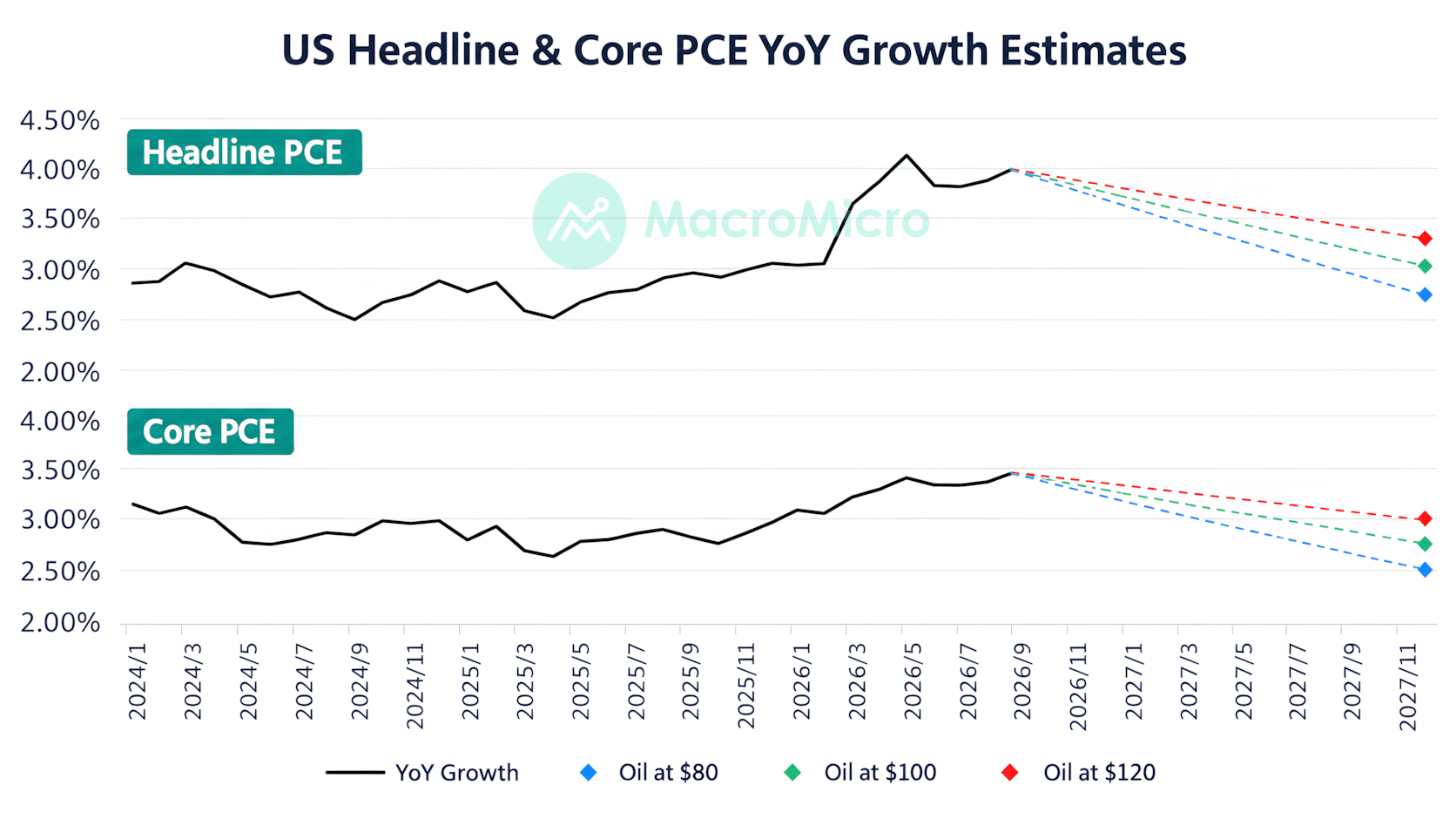
Answer: It depends mostly on where oil settles, and the base effect works in our favor, since this year's spike raises the comparison point for next year. We modeled three scenarios at 80, 100 and 120 dollars. Starting from today's 100 dollars, each 10% change in crude moves December 2026 headline PCE by about 0.25 percentage point month on month. For 2027, we assume 80 dollars is the price at which oil stops feeding second-round effects. At that level, headline and core inflation ease to the Fed's projections of 2.3% and 2.5% by year-end. Above it, each 10% rise adds a cumulative 0.15 point to headline and 0.1 point to core, spread across the first half of the year. Core is far less exposed to oil than headline.
Q3. The Fed is hiking and the dollar is back above 100. Is there a risk liquidity gets tight?
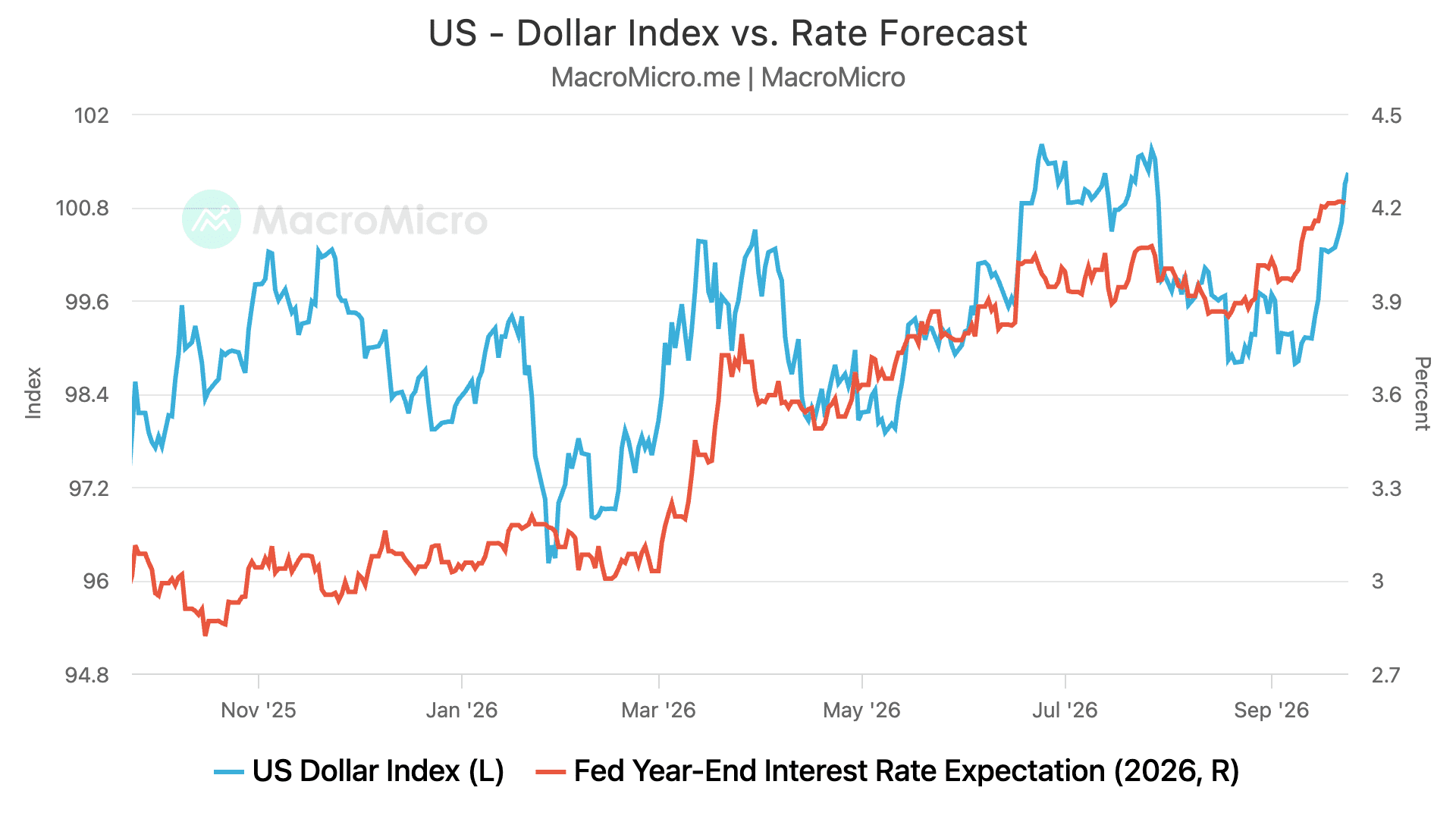
Answer: Not at this stage. The SOFR minus IORB spread sits just under zero, which points to ample liquidity, and the Fed left its ample-reserves wording unchanged, keeping bond purchases available if money markets tighten. Fiscal disruption is also off the table for now: Congress passed a continuing resolution in early September that funds the government through December 11, so a shutdown cannot drain liquidity before then. With funding conditions comfortable and hikes likely to stay small, the dollar has limited room to rally. The one factor that could push it a bit higher is 2027 growth expectations. Consensus sees 2.1% growth for this year and next, below the Fed's projections, and if forecasts move toward the Fed's view, the index would likely sit near the top of its range, slightly above 100.
Q4. Why did the ECB hike again, and what would make it hike further?
Answer: Energy, almost entirely, and more hikes are possible if it stays expensive. The September move lifted the deposit rate to 2.50%, the second hike since June, after August HICP inflation climbed to 3.3% with energy prices up 14.3% from a year ago.
The economy gives it...
Already a subscriber? Click here to log in.
Full Access to Our Services

Comprehensive data at your service
with key indicators for investment insights

Exclusive flash reports
on key events and data

Create your own charts and analysis
including performance backtesting

Hub of professionals to engage
in meaningful discussions and insights
